Govt to fix fuel prices daily due to renewed hostilities in Persian Gulf: petroleum minister
Why This Matters
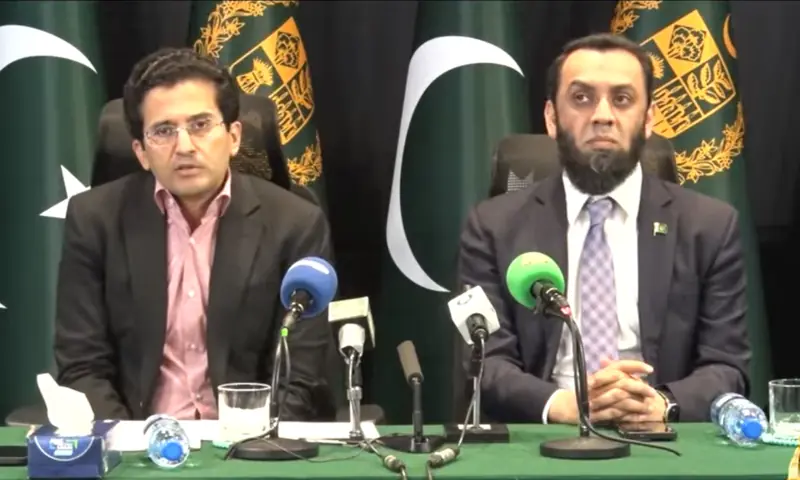
Key context: <p>Petroleum Minister Ali Pervaiz Malik on Friday said that fuel prices would be fixed daily due to fluctuations in international market prices following renewed hostilities between Iran and the US.</p> <p>Addressing a press conference alongside Information Minister Attaullah Tarar, Malik thanked the nation on behalf of the government, who he said have “patiently tried to bear the burden of this war”.</p> <p>He noted that despite the efforts of Chief of Defence Forces (CDF) and Chief of Army Staff Field Marshal Asim Munir and Prime Minister Shehbaz Sharif, the US-Iran war seemed to be escalating in the region.</p> <p>“The Cabinet and prime minister have decided … Ogra will be given the responsibility to daily decide the fuel prices based on the international market,” the petroleum minister said.</p> <p>He added that Ogra would “not just publish the fuel rates on its website that are used to determine prices, but also publish the factors leading to the price that we see in each petrol pump”.</p> <p>Malik stated that although the decision would surely add a burden on citizens, they would see how it was necessary for the state. He said that the decision was part of the government’s decision to make the system more transparent, so that people could understand why increasing fuel prices were inevitable.</p> <p>He also noted that there had been “a lot of discussion” on the imposition of petroleum and climate levies by the government, and the prime minister’s promise that any price reductions would directly benefit the nation.</p> <p>“The government is still determined to deliver on its promise,” he said.</p> <p>He said that the price of diesel dropped from Rs520 to the range of Rs300 today, and similarly a huge price reduction of Rs70-80 was seen for petrol when it happened in the international markets.</p> <p>On the topic of levies, he noted that the petrol levy and the carbon support levy on petrol and diesel were still low today.</p> <p>The minister also said that the government was working on transparency and reducing the burden of indirect taxation.</p> <p>According to him, the daily price announcements will be decided according to a seven-day weekly average in the international market. He added that in another step towards deregulation, it would be ensured that the prices in the country were adjusted according to the international market without asking him, the information minister “or anyone else”.</p> <p>Malik highlighted that PM Shehbaz had created a committee under the petroleum minister’s leadership, which had already held four meetings.</p> <p>“In the next 15-20 days, we will decide on post-war energy pricing and energy security architecture, based on which the next generations will assess this government,” he said.</p> <p>He also raised the question of why Pakistan continued to fulfill its energy requirements through imports, stating that a study commission had been undertaken to make educated decisions through internationally-renowned consultants on whether the government had the resources to keep strategic petroleum reserves.</p> <p>Other questions, he noted, included how much money the government could commit to this venture over the next few years, and how it could motivate large-scale traders in international markets and companies in “brotherly and neighbouring” countries to keep their reserves with Pakistan and provide them to other markets from here.</p> <p>This summary will be presented next week in the Cabinet, he said.</p> <p>Malik also highlighted steps taken by the government to increase energy extraction. He noted that after the prime minister’s recent visit to Turkiye, <a href="https://www.dawn.com/news/1958871">Turkish Petroleum</a> would be arriving to extract oil and gas in the country in October after 20 years.</p> <p>“We will move towards betterment so that people will remember this government in good words,” the minister said. “If there are any burdens … we will get through these times using schemes like austerity measures.”</p> <p>Information Minister Attaullah Tarar also addressed the press conference, stating that the increase in oil prices in international markets was linked to the worsening regional situation and that Pakistan’s efforts to resolve the situation had been “appreciated by the entire world”.</p> <p>During oil shortages at the peak of tensions, he noted that “many developed countries in the world saw people lining up for fuel and they couldn’t get it. At that time, the prime minister had prearranged additional oil reserves beforehand.”</p> <p>“Many countries opted for rationing, but in Pakistan, there was no rationing or shortage,” Tarar said. “Whenever the petroleum division gave a briefing, it would announce that we had reserves for one and a half to two months.”</p> <p>He said that when prices were soaring around the world, the federal government reduced its development budget to provide Rs129 billion worth of <a href="https://www.dawn.com/news/1988840">subsidies</a>, thus countering the price hikes. This, he said, was “a conscious decision by the prime minister to ensure that the burden is not transferred to the people”.</p> <p>The information minister added that the pricing formula for the daily petrol rates would be published formally by Ogra.</p> <p>“We appreciate that it is not easy,” he said. “That increases in fuel prices impact people. The government understands it.”</p> <p>He added that targeted subsidies were introduced for goods transport, agriculture and motorcycle users.</p> <p>He also addressed the “misconception” that levies had been hugely increased.</p> <p>“The fact is that the levy is currently lower than pre-war levels, if not equal … There was a special effort to reduce it,” he said.</p> <p>Tarar also commented that “we, as an economy and as a country, have to move towards electric bikes and electric vehicles. It is inevitable.” He termed this the best solution for the country’s import bill and to mitigate the impacts of rising prices.</p> <p>“It makes me very happy when I see our young boys and girls go to school and college on electric bikes. We have to encourage this trend,” he said. “It is the responsibility of both the public and the private sector.”</p> <hr /> <p><em>More to follow</em></p> This development from dawn.com highlights ongoing changes in the sector.
Petroleum Minister Ali Pervaiz Malik on Friday said that fuel prices would be fixed daily due to fluctuations in international market prices following renewed hostilities between Iran and the US. Addressing a press conference alongside Information Minister Attaullah Tarar, Malik thanked the nation on behalf of the government, who he said have “patiently tried to bear the burden of this war”. He noted that despite the efforts of Chief of Defence Forces (CDF) and Chief of Army Staff Field Marshal Asim Munir and Prime Minister Shehbaz Sharif, the US-Iran war seemed to be escalating in the region. “The Cabinet and prime minister have decided … Ogra will be given the responsibility to daily decide the fuel prices based on the international market,” the petroleum minister said. He added that Ogra would “not just publish the fuel rates on its website that are used to determine prices, but also publish the factors leading to the price that we see in each petrol pump”. Malik stated that although the decision would surely add a burden on citizens, they would see how it was necessary for the state. He said that the decision was part of the government’s decision to make the system more transparent, so that people could understand why increasing fuel prices were inevitable. He also noted that there had been “a lot of discussion” on the imposition of petroleum and climate levies by the government, and the prime minister’s promise that any price reductions would directly benefit the nation. “The government is still determined to deliver on its promise,” he said. He said that the price of diesel dropped from Rs520 to the range of Rs300 today, and similarly a huge price reduction of Rs70-80 was seen for petrol when it happened in the international markets. On the topic of levies, he noted that the petrol levy and the carbon support levy on petrol and diesel were still low today. The minister also said that the government was working on transparency and reducing the burden of indirect taxation. According to him, the daily price announcements will be decided according to a seven-day weekly average in the international market. He added that in another step towards deregulation, it would be ensured that the prices in the country were adjusted according to the international market without asking him, the information minister “or anyone else”. Malik highlighted that PM Shehbaz had created a committee under the petroleum minister’s leadership, which had already held four meetings. “In the next 15-20 days, we will decide on post-war energy pricing and energy security architecture, based on which the next generations will assess this government,” he said. He also raised the question of why Pakistan continued to fulfill its energy requirements through imports, stating that a study commission had been undertaken to make educated decisions through internationally-renowned consultants on whether the government had the resources to keep strategic petroleum reserves. Other questions, he noted, included how much money the government could commit to this venture over the next few years, and how it could motivate large-scale traders in international markets and companies in “brotherly and neighbouring” countries to keep their reserves with Pakistan and provide them to other markets from here. This summary will be presented next week in the Cabinet, he said. Malik also highlighted steps taken by the government to increase energy extraction. He noted that after the prime minister’s recent visit to Turkiye, Turkish Petroleum would be arriving to extract oil and gas in the country in October after 20 years. “We will move towards betterment so that people will remember this government in good words,” the minister said. “If there are any burdens … we will get through these times using schemes like austerity measures.” Information Minister Attaullah Tarar also addressed the press conference, stating that the increase in oil prices in international markets was linked to the worsening regional situation and that Pakistan’s efforts to resolve the situation had been “appreciated by the entire world”. During oil shortages at the peak of tensions, he noted that “many developed countries in the world saw people lining up for fuel and they couldn’t get it. At that time, the prime minister had prearranged additional oil reserves beforehand.” “Many countries opted for rationing, but in Pakistan, there was no rationing or shortage,” Tarar said. “Whenever the petroleum division gave a briefing, it would announce that we had reserves for one and a half to two months.” He said that when prices were soaring around the world, the federal government reduced its development budget to provide Rs129 billion worth of subsidies, thus countering the price hikes. This, he said, was “a conscious decision by the prime minister to ensure that the burden is not transferred to the people”. The information minister added that the pricing formula for the daily petrol rates would be published formally by Ogra. “We appreciate that it is not easy,” he said. “That increases in fuel prices impact people. The government understands it.” He added that targeted subsidies were introduced for goods transport, agriculture and motorcycle users. He also addressed the “misconception” that levies had been hugely increased. “The fact is that the levy is currently lower than pre-war levels, if not equal … There was a special effort to reduce it,” he said. Tarar also commented that “we, as an economy and as a country, have to move towards electric bikes and electric vehicles. It is inevitable.” He termed this the best solution for the country’s import bill and to mitigate the impacts of rising prices. “It makes me very happy when I see our young boys and girls go to school and college on electric bikes. We have to encourage this trend,” he said. “It is the responsibility of both the public and the private sector.” More to follow
Curation & Context
This page summarizes a public news report from dawn.com. Global News Hub provides the "Why This Matters" takeaway using editorial insights and AI curation to give readers rapid, high-value context before they click through to read the full article.