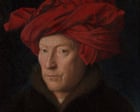
Tricks! Traps! Riddles! Jan van Eyck’s portraits look vividly real – but are full of secret messages. What do they mean?
Why This Matters
Key context: <p>The more you gaze at these 10 surviving works, with their cryptic inscriptions and even fool’s gold, the more the Flemish master trips you up – but being laughed at like this is all part of the glorious pleasure</p><ul><li><p><a href="https://www.theguardian.com/artanddesign/2026/nov/17/van-eyck-the-portraits-review-national-gallery-london-paintings">Van Eyck: The Portraits review – a jewel box of phenomenal death-defeating paintings</a></p></li></ul><p>At the Barbican Art Gallery in London, there is <a href="https://www.theguardian.com/artanddesign/2026/oct/07/robert-ryman-review-barbican-art-gallery-london-white-paintings">an exhibition</a> of some of the white paintings made by the US artist Robert Ryman over 60 years from the 1950s. The paintings are square, because a square is neutral, and he didn’t want viewers associating them with the visual language of landscape or portrait. For Ryman, his paintings resolutely were what they were, which is to say, white paint applied to various surfaces and fixed to the wall. Not “windows” through which one could glimpse another world.</p><p>At the National Gallery, a couple of miles across town, is an exhibition of 10 works by the 15th-century Flemish painter Jan van Eyck. With one exception – the Arnolfini portrait, which is a one-off in all kinds of ways – they are all A4-size portraits, each angled so that we see more of the left than the right side of their faces. Aside from the likenesses of the people who paid for them in some of his religious paintings, including the Ghent altarpiece, these are the sum total of Van Eyck’s surviving portraits.</p> <a href="https://www.theguardian.com/artanddesign/2026/nov/19/jan-van-eyck-portraits-national-gallery-frames-inscriptions">Continue reading...</a> This development from The Guardian highlights ongoing changes in the sector.
The more you gaze at these 10 surviving works, with their cryptic inscriptions and even fool’s gold, the more the Flemish master trips you up – but being laughed at like this is all part of the glorious pleasureVan Eyck: The Portraits review – a jewel box of phenomenal death-defeating paintingsAt the Barbican Art Gallery in London, there is an exhibition of some of the white paintings made by the US artist Robert Ryman over 60 years from the 1950s. The paintings are square, because a square is neutral, and he didn’t want viewers associating them with the visual language of landscape or portrait. For Ryman, his paintings resolutely were what they were, which is to say, white paint applied to various surfaces and fixed to the wall. Not “windows” through which one could glimpse another world.At the National Gallery, a couple of miles across town, is an exhibition of 10 works by the 15th-century Flemish painter Jan van Eyck. With one exception – the Arnolfini portrait, which is a one-off in all kinds of ways – they are all A4-size portraits, each angled so that we see more of the left than the right side of their faces. Aside from the likenesses of the people who paid for them in some of his religious paintings, including the Ghent altarpiece, these are the sum total of Van Eyck’s surviving portraits. Continue reading...
Curation & Context
This page summarizes a public news report from The Guardian. Global News Hub provides the "Why This Matters" takeaway using editorial insights and AI curation to give readers rapid, high-value context before they click through to read the full article.