UN says violence against women rising, support services shrinking
Why This Matters
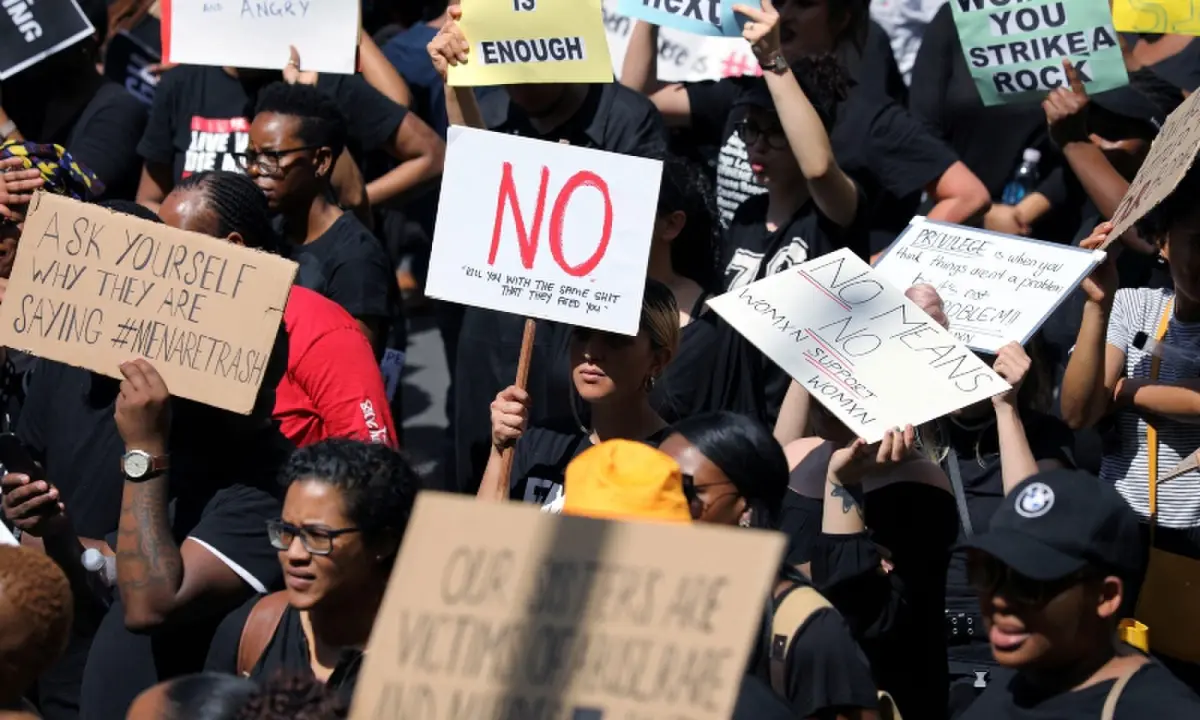
Key context: <p>WASHINGTON: The United Nations on Wednesday launched its annual 16 Days of Activism campaign against gender-based violence, urging governments and societies to speak out against abuse, believe survivors and demand justice.</p> <p>“Speak Out. Believe Survivors. Demand Justice,” read the message issued by the UN to mark the first day of the global campaign, which runs until Dec 10, Human Rights Day. The campaign warned that too many survivors of violence and online harassment still face silence, disbelief and victim-blaming, allowing perpetrators to escape accountability.</p> <p>“Every unanswered call for help, every dismissed report, and every unpunished act of violence” strengthens the web of impunity, the UN message said. It urged people to challenge attitudes that excuse violence, listen to survivors without judgment and respect their choices. Governments were asked to strengthen and enforce laws, fund support services and hold perpetrators and institutions accountable.</p> <p>The campaign comes amid mounting concerns over violence against women in the digital and physical worlds, particularly in countries where social restrictions and inadequate protection systems discourage victims from seeking help.</p> <p>A UN report on Pakistan, released on the International Day for the Elimination of Violence against Women on Nov 25, warned that online harassment was increasingly spilling into the physical world, contributing to femicide, suicide, physical violence and loss of employment.</p> <p>The findings also showed how deeply entrenched social attitudes discourage women from challenging harassment. A survey in Pakistan found that 54pc of women believed women should leave their jobs if they faced harassment, while 83pc acknowledged that men often got away with harassing women.</p> <p>The report said online abuse was not merely driving women and girls away from digital spaces but was also affecting their participation in professional and public life. It raised concerns about the response of companies, noting that most lacked clear policies to prevent and address online gender-based violence, while existing policies were often poorly implemented.</p> <p>UN findings on attitudes in South Asia, including India, Pakistan and Bangladesh, pointed to a wider climate in which victims of harassment could face pressure to withdraw from public and professional life rather than expect perpetrators to be held accountable. The report also highlighted the global scale of violence. In the Arab states, 60pc of women internet users reported experiencing online violence.</p> <p>Worldwide, an estimated 50,000 women and girls were killed by intimate partners or family members in 2024 — an average of 137 every day, or one every 10 minutes — according to figures released by the UN Office on Drugs and Crime and UN Women.</p> <p>The UN has urged women facing online abuse to cut off contact with perpetrators and report online harassment, while calling on governments and technology companies to strengthen protections and accountability. The campaign’s launch also coincided with a renewed warning from UN Women about the deteriorating situation of women and girls in Afghanistan, where the risks of violence are increasing even as essential support services are disappearing because of funding cuts. In a statement marking the start of the campaign, UN Women Afghanistan urged governments and donors to increase support for Afghan women’s organisations, describing them as an essential lifeline for women and girls facing mounting social, economic and humanitarian pressures.</p> <p>“Just as the risks of violence against women and girls are growing, the services they depend on are disappearing because of aid cuts,” said Susan Ferguson, UN Women’s Special Representative in Afghanistan.</p> <p>The UN said women’s organisations were particularly important in reaching survivors and providing services in circumstances where restrictions and economic hardship had sharply reduced their options.</p> <p><em>Published in Dawn, November 27th, 2026</em></p> This development from dawn.com highlights ongoing changes in the sector.
WASHINGTON: The United Nations on Wednesday launched its annual 16 Days of Activism campaign against gender-based violence, urging governments and societies to speak out against abuse, believe survivors and demand justice. “Speak Out. Believe Survivors. Demand Justice,” read the message issued by the UN to mark the first day of the global campaign, which runs until Dec 10, Human Rights Day. The campaign warned that too many survivors of violence and online harassment still face silence, disbelief and victim-blaming, allowing perpetrators to escape accountability. “Every unanswered call for help, every dismissed report, and every unpunished act of violence” strengthens the web of impunity, the UN message said. It urged people to challenge attitudes that excuse violence, listen to survivors without judgment and respect their choices. Governments were asked to strengthen and enforce laws, fund support services and hold perpetrators and institutions accountable. The campaign comes amid mounting concerns over violence against women in the digital and physical worlds, particularly in countries where social restrictions and inadequate protection systems discourage victims from seeking help. A UN report on Pakistan, released on the International Day for the Elimination of Violence against Women on Nov 25, warned that online harassment was increasingly spilling into the physical world, contributing to femicide, suicide, physical violence and loss of employment. The findings also showed how deeply entrenched social attitudes discourage women from challenging harassment. A survey in Pakistan found that 54pc of women believed women should leave their jobs if they faced harassment, while 83pc acknowledged that men often got away with harassing women. The report said online abuse was not merely driving women and girls away from digital spaces but was also affecting their participation in professional and public life. It raised concerns about the response of companies, noting that most lacked clear policies to prevent and address online gender-based violence, while existing policies were often poorly implemented. UN findings on attitudes in South Asia, including India, Pakistan and Bangladesh, pointed to a wider climate in which victims of harassment could face pressure to withdraw from public and professional life rather than expect perpetrators to be held accountable. The report also highlighted the global scale of violence. In the Arab states, 60pc of women internet users reported experiencing online violence. Worldwide, an estimated 50,000 women and girls were killed by intimate partners or family members in 2024 — an average of 137 every day, or one every 10 minutes — according to figures released by the UN Office on Drugs and Crime and UN Women. The UN has urged women facing online abuse to cut off contact with perpetrators and report online harassment, while calling on governments and technology companies to strengthen protections and accountability. The campaign’s launch also coincided with a renewed warning from UN Women about the deteriorating situation of women and girls in Afghanistan, where the risks of violence are increasing even as essential support services are disappearing because of funding cuts. In a statement marking the start of the campaign, UN Women Afghanistan urged governments and donors to increase support for Afghan women’s organisations, describing them as an essential lifeline for women and girls facing mounting social, economic and humanitarian pressures. “Just as the risks of violence against women and girls are growing, the services they depend on are disappearing because of aid cuts,” said Susan Ferguson, UN Women’s Special Representative in Afghanistan. The UN said women’s organisations were particularly important in reaching survivors and providing services in circumstances where restrictions and economic hardship had sharply reduced their options. Published in Dawn, November 27th, 2026
Curation & Context
This page summarizes a public news report from dawn.com. Global News Hub provides the "Why This Matters" takeaway using editorial insights and AI curation to give readers rapid, high-value context before they click through to read the full article.