Three studies link glyphosate to cancer, contradicting claims of Trump EPA
Why This Matters
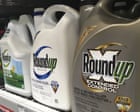
Key context: <p>Experts say NIH research raises concerns about chemical companies’ influence on US agency’s pesticide division</p><p>The US government’s top medical research agency has <a href="https://zenodo.org/records/24354736">released</a> three <a href="https://zenodo.org/records/24372545">new studies</a> linking glyphosate, the world’s most widely used pesticide and an active ingredient in Roundup, <a href="https://zenodo.org/records/24356429">to cancer</a>. The National Institutes of Health (NIH) findings contradict a controversial recent Environmental Protection Agency (EPA) conclusion that the weedkiller is not a carcinogen, and deals a blow to the White House, which has been <a href="https://www.theguardian.com/environment/2026/feb/19/trump-order-protect-weedkiller">closely allied</a> with Roundup’s producer, Bayer.</p><p>The NIH’s three papers could have significant political and legal fallout. The EPA is in the process of a court-ordered re-evaluation of glyphosate’s cancer risks. The NIH findings generate new pressure for the EPA to find that the substance is linked to cancer, which would subject it to a modest increase in regulations.</p> <a href="https://www.theguardian.com/us-news/2026/nov/27/glyphosate-cancer-studies-trump-epa">Continue reading...</a> This development from The Guardian highlights ongoing changes in the sector.
Experts say NIH research raises concerns about chemical companies’ influence on US agency’s pesticide divisionThe US government’s top medical research agency has released three new studies linking glyphosate, the world’s most widely used pesticide and an active ingredient in Roundup, to cancer. The National Institutes of Health (NIH) findings contradict a controversial recent Environmental Protection Agency (EPA) conclusion that the weedkiller is not a carcinogen, and deals a blow to the White House, which has been closely allied with Roundup’s producer, Bayer.The NIH’s three papers could have significant political and legal fallout. The EPA is in the process of a court-ordered re-evaluation of glyphosate’s cancer risks. The NIH findings generate new pressure for the EPA to find that the substance is linked to cancer, which would subject it to a modest increase in regulations. Continue reading...
Curation & Context
This page summarizes a public news report from The Guardian. Global News Hub provides the "Why This Matters" takeaway using editorial insights and AI curation to give readers rapid, high-value context before they click through to read the full article.