New provinces to carry heavy cost
Why This Matters
Key context: <p>ISLAMABAD: A private think tank has found more fiscal faults than benefits of the much-discussed creation of new provinces, advising priority to stronger local governments instead of new provinces if public service delivery was actually intended.</p> <p>In its latest market analysis release on Thursday, Policy Research Institute of Market Economy (Prime) highlighted the additional annual recurring cost of Rs47 billion to Rs57bn in case of creation of two more provinces — South Punjab, Bahawalpur and remaining Punjab — and up to Rs730bn if 30 divisional units were to upgrade to provincial status.</p> <p>“Any proposal for creating new provinces should include a formal fiscal costing exercise before constitutional or legislative changes are pursued”, the think tank said, adding that the costing should estimate the recurring expenditure required for the governor, chief minister, provincial assembly, secretariat, high court and other core institutions, together with the likely NFC resource envelope of each proposed unit. This would make it possible to assess whether the expected administrative benefits justify the additional recurring burden,” it said.</p> <p>If the number of provinces increases to six, South Punjab receives an illustrative allocation of Rs1tr under the existing NFC, while Bahawalpur receives Rs537bn. In case of 30 provinces, allocations differ considerably, ranging from Rs7201bn for Lahore and Rs691bn for Karachi to Rs46bn for Loralai and Rs50bn for Zhob. Thus 11 of the 30 proposed units receive less than Rs150bn per annum.</p> <blockquote> <p>Think tank puts annual recurring bill at Rs47-57bn for two provinces and up to Rs730bn for 30</p> </blockquote> <p>The estimated annual recurring cost of a new provincial government is Rs22.4bn under the low-cost scenario and Rs25.9bn under the high-cost scenario, therefore Rs47-56bn per annum for two and Rs610-730bn for 30 provinces.</p> <p>Using a 10pc fiscal sustainability benchmark based on the low recurring-cost estimate, 16 of the 30 proposed provinces would remain at or below the threshold, while 14 exceed it. The burden is particularly high in the smallest units: the core provincial structure would absorb around 49pc of Loralai’s allocation, 45pc of Zhob’s and 37pc of Rakhshan’s even under the low-cost estimate. </p> <p>Every proposed province with a population below 1.2 million would require more than one-third of its NFC allocation to finance the core provincial government structure.</p> <p>The findings therefore show that the fiscal implications of restructuring depend strongly on the number and size of the provinces created. Limited restructuring involving relatively large units produces a much smaller recurring burden, whereas several smaller division-based provinces would face disproportionately high administrative costs relative to their expected NFC resources.</p> <p>Therefore, at the fiscal level, creation of new provinces will put additional pressure on fiscal resources of smaller provinces, especially those with lower NFC allocations and constrained revenue generation capacity. A greater portion of their available resources would be consumed by ongoing government expenses, resulting in reduced fiscal room for other provincial spending, such as public service provision and developmental expenditure, the analysis showed.</p> <p>Therefore, the think tank emphasised that provincial restructuring should be evaluated not only in political and administrative terms, but also through a clear fiscal framework.</p> <p><em>Published in Dawn, October 30th, 2026</em></p> This development from dawn.com highlights ongoing changes in the sector.
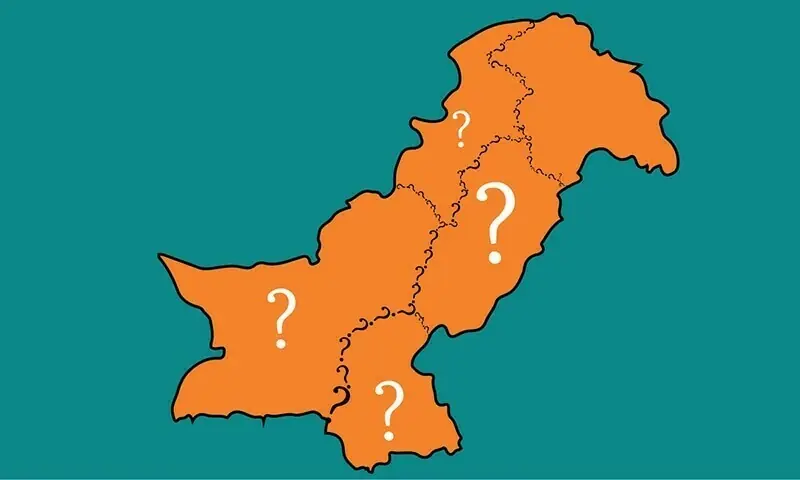
ISLAMABAD: A private think tank has found more fiscal faults than benefits of the much-discussed creation of new provinces, advising priority to stronger local governments instead of new provinces if public service delivery was actually intended. In its latest market analysis release on Thursday, Policy Research Institute of Market Economy (Prime) highlighted the additional annual recurring cost of Rs47 billion to Rs57bn in case of creation of two more provinces — South Punjab, Bahawalpur and remaining Punjab — and up to Rs730bn if 30 divisional units were to upgrade to provincial status. “Any proposal for creating new provinces should include a formal fiscal costing exercise before constitutional or legislative changes are pursued”, the think tank said, adding that the costing should estimate the recurring expenditure required for the governor, chief minister, provincial assembly, secretariat, high court and other core institutions, together with the likely NFC resource envelope of each proposed unit. This would make it possible to assess whether the expected administrative benefits justify the additional recurring burden,” it said. If the number of provinces increases to six, South Punjab receives an illustrative allocation of Rs1tr under the existing NFC, while Bahawalpur receives Rs537bn. In case of 30 provinces, allocations differ considerably, ranging from Rs7201bn for Lahore and Rs691bn for Karachi to Rs46bn for Loralai and Rs50bn for Zhob. Thus 11 of the 30 proposed units receive less than Rs150bn per annum. Think tank puts annual recurring bill at Rs47-57bn for two provinces and up to Rs730bn for 30 The estimated annual recurring cost of a new provincial government is Rs22.4bn under the low-cost scenario and Rs25.9bn under the high-cost scenario, therefore Rs47-56bn per annum for two and Rs610-730bn for 30 provinces. Using a 10pc fiscal sustainability benchmark based on the low recurring-cost estimate, 16 of the 30 proposed provinces would remain at or below the threshold, while 14 exceed it. The burden is particularly high in the smallest units: the core provincial structure would absorb around 49pc of Loralai’s allocation, 45pc of Zhob’s and 37pc of Rakhshan’s even under the low-cost estimate. Every proposed province with a population below 1.2 million would require more than one-third of its NFC allocation to finance the core provincial government structure. The findings therefore show that the fiscal implications of restructuring depend strongly on the number and size of the provinces created. Limited restructuring involving relatively large units produces a much smaller recurring burden, whereas several smaller division-based provinces would face disproportionately high administrative costs relative to their expected NFC resources. Therefore, at the fiscal level, creation of new provinces will put additional pressure on fiscal resources of smaller provinces, especially those with lower NFC allocations and constrained revenue generation capacity. A greater portion of their available resources would be consumed by ongoing government expenses, resulting in reduced fiscal room for other provincial spending, such as public service provision and developmental expenditure, the analysis showed. Therefore, the think tank emphasised that provincial restructuring should be evaluated not only in political and administrative terms, but also through a clear fiscal framework. Published in Dawn, October 30th, 2026
Curation & Context
This page summarizes a public news report from dawn.com. Global News Hub provides the "Why This Matters" takeaway using editorial insights and AI curation to give readers rapid, high-value context before they click through to read the full article.