Multiple areas in GB remain cut off after flash floods, Glofs wash away access routes
Why This Matters
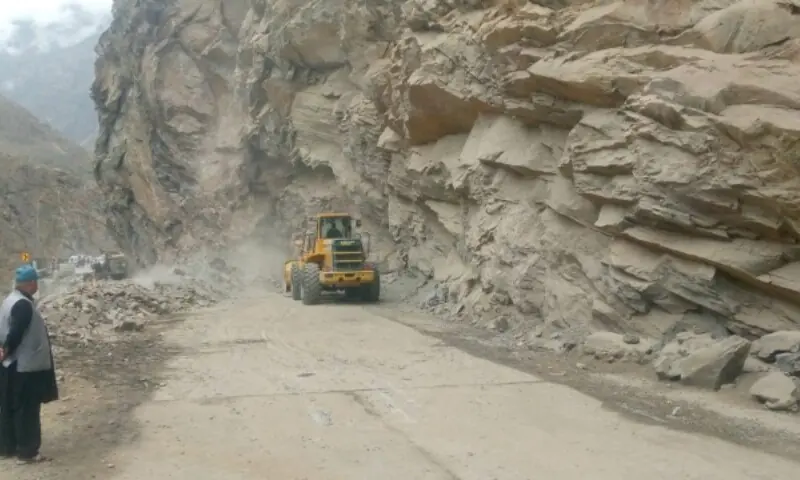
Key context: <p>GILGIT: Road access to several parts of Gilgit-Baltistan remained cut off for the fourth consecutive day on Saturday as <a href="https://www.dawn.com/news/amp/2017826">flash floods</a> and glacial lake outburst floods (Glofs), triggered by rapid glacier melting, continued to damage highways and hamper restoration efforts.</p> <p>The continued flooding, driven by unusually high temperatures and accelerated glacier melt, disrupted relief operations and delayed the restoration of road links to affected areas.</p> <p>Director General of the GB Disaster Management Authority (GBDMA) Ataur Rehman Kakar told <em>Dawn</em> that heavy machinery had been deployed and restoration work was continuing round the clock to reopen blocked roads.</p> <p>He said the Karakoram Highway (KKH) and the Gilgit-Shandur Road had been reopened for traffic, while efforts were underway to restore the Baltistan Road, Astore Valley Road, Naltar Highway and other routes connecting remote areas across the region.</p> <figure class='media w-full sm:w-1/2 media--right media--embed media--uneven' data-original-src='https://www.dawn.com/news/2013734'> <div class='media__item media__item--newskitlink '> <iframe class="nk-iframe" width="100%" frameborder="0" scrolling="no" style="height:250px;position:relative" src="https://www.dawn.com/news/card/2013734" sandbox="allow-same-origin allow-scripts allow-popups allow-modals allow-forms"></iframe></div> </figure> <p>Despite progress on some major roads, thousands of residents and tourists remained stranded as road closures severed access to several valleys. Flood-hit communities also continued to face shortages of drinking water, electricity and communication services.</p> <p>Kakar said the increasing frequency of Glof events and accelerated glacier melting had worsened the situation this year.</p> <p>“Between July 18 and July 21, GB<a href="https://www.dawn.com/news/2012289"> recorded </a>unprecedented temperatures, resulting in rapid glacier melting and Glof incidents in several areas,” he said.</p> <p>He added that food, tents, medicines and other relief supplies had been distributed among affected families.</p> <p>The DG further said the Baltistan Road had been blocked at three locations, including a major obstruction near Ansar Bridge, while rising water levels in a nullah had also disrupted traffic in the Haramosh area.</p> <p>“High water levels and mudflows in rivers and nullahs have created serious challenges for road restoration activities,” Kakar said.</p> <p>Residents of Astore expressed concern over what they described as the slow pace of work to reopen the Valley Road, saying the valley had remained isolated for three days.</p> <p>People in Diamer, Astore, Ghizer and other affected districts complained of prolonged disruptions to electricity, water supply and the availability of essential commodities.</p> <p>Meanwhile, Hisper Valley in Nagar district remained disconnected for nearly two months after successive Glof events washed away large sections of the only access road.</p> <p>Residents said patients and students were facing severe hardships, while shortages of food, medicines and other essential supplies were worsening.</p> <p>According to a GBDMA report, the July 22 Glof caused fresh damage to Hisper Road at two additional locations.</p> <p>Approximately 300 feet of road was washed away at Apiharai and another 800 feet at Bayo Khai, completely suspending vehicular traffic.</p> <p>The authority said rock blasting had been completed and boulders were being stockpiled so restoration work could begin immediately once water levels receded.</p> <p>A temporary pedestrian track has been constructed along the river to facilitate the movement of local residents.</p> <p>The GBDMA said Hisper Road had suffered extensive damage at multiple locations due to successive flood events and that restoration and protective works would begin once conditions became favourable.</p> <p>According to the latest GBDMA situation report, conditions were gradually returning to normal across most districts following the recent spell of heavy rainfall.</p> <p>While most roads had reopened, Haramosh Road, Naltar Road, Hisper Road, Astore Valley Road at Khachak and Hushe Valley Road at Rout Longba in Ghanche district remained closed.</p> <figure class='media w-full sm:w-1/2 media--right media--embed media--uneven' data-original-src='https://www.dawn.com/news/2017677'> <div class='media__item media__item--newskitlink '> <iframe class="nk-iframe" width="100%" frameborder="0" scrolling="no" style="height:250px;position:relative" src="https://www.dawn.com/news/card/2017677" sandbox="allow-same-origin allow-scripts allow-popups allow-modals allow-forms"></iframe></div> </figure> <p>The authority said heavy machinery had been deployed to restore the remaining blocked roads, while relief goods continued to be distributed among affected families.</p> <p>The Pakistan Meteorological Department (PMD) has<a href="https://www.dawn.com/news/2018038/pmd-forecasts-monsoon-rain-thunderstorms-across-the-country-from-july-24-28"> forecast rain</a>, thunderstorms and heavy falls at isolated places until July 28, raising concerns about further flooding and landslides.</p> <p>Internet and mobile phone services also remained suspended in several areas after floods and landslides damaged optical fibre infrastructure.</p> <p>Meanwhile, GB Chief Minister Amjad Hussain, while<a href="https://www.dawn.com/news/2016836"> chairing </a>a high-level meeting on relief and rehabilitation, directed authorities to launch helicopter operations for rescue and relief in remote areas where road links had been severed.</p> <p>He instructed officials to utilise all available resources to partially restore the Baltistan Road and prepare an alternative route for light vehicles within two days.</p> <p>He also ordered authorities to ensure the uninterrupted availability of food and other essential commodities in affected communities.</p> This development from dawn.com highlights ongoing changes in the sector.
GILGIT: Road access to several parts of Gilgit-Baltistan remained cut off for the fourth consecutive day on Saturday as flash floods and glacial lake outburst floods (Glofs), triggered by rapid glacier melting, continued to damage highways and hamper restoration efforts. The continued flooding, driven by unusually high temperatures and accelerated glacier melt, disrupted relief operations and delayed the restoration of road links to affected areas. Director General of the GB Disaster Management Authority (GBDMA) Ataur Rehman Kakar told Dawn that heavy machinery had been deployed and restoration work was continuing round the clock to reopen blocked roads. He said the Karakoram Highway (KKH) and the Gilgit-Shandur Road had been reopened for traffic, while efforts were underway to restore the Baltistan Road, Astore Valley Road, Naltar Highway and other routes connecting remote areas across the region. Despite progress on some major roads, thousands of residents and tourists remained stranded as road closures severed access to several valleys. Flood-hit communities also continued to face shortages of drinking water, electricity and communication services. Kakar said the increasing frequency of Glof events and accelerated glacier melting had worsened the situation this year. “Between July 18 and July 21, GB recorded unprecedented temperatures, resulting in rapid glacier melting and Glof incidents in several areas,” he said. He added that food, tents, medicines and other relief supplies had been distributed among affected families. The DG further said the Baltistan Road had been blocked at three locations, including a major obstruction near Ansar Bridge, while rising water levels in a nullah had also disrupted traffic in the Haramosh area. “High water levels and mudflows in rivers and nullahs have created serious challenges for road restoration activities,” Kakar said. Residents of Astore expressed concern over what they described as the slow pace of work to reopen the Valley Road, saying the valley had remained isolated for three days. People in Diamer, Astore, Ghizer and other affected districts complained of prolonged disruptions to electricity, water supply and the availability of essential commodities. Meanwhile, Hisper Valley in Nagar district remained disconnected for nearly two months after successive Glof events washed away large sections of the only access road. Residents said patients and students were facing severe hardships, while shortages of food, medicines and other essential supplies were worsening. According to a GBDMA report, the July 22 Glof caused fresh damage to Hisper Road at two additional locations. Approximately 300 feet of road was washed away at Apiharai and another 800 feet at Bayo Khai, completely suspending vehicular traffic. The authority said rock blasting had been completed and boulders were being stockpiled so restoration work could begin immediately once water levels receded. A temporary pedestrian track has been constructed along the river to facilitate the movement of local residents. The GBDMA said Hisper Road had suffered extensive damage at multiple locations due to successive flood events and that restoration and protective works would begin once conditions became favourable. According to the latest GBDMA situation report, conditions were gradually returning to normal across most districts following the recent spell of heavy rainfall. While most roads had reopened, Haramosh Road, Naltar Road, Hisper Road, Astore Valley Road at Khachak and Hushe Valley Road at Rout Longba in Ghanche district remained closed. The authority said heavy machinery had been deployed to restore the remaining blocked roads, while relief goods continued to be distributed among affected families. The Pakistan Meteorological Department (PMD) has forecast rain, thunderstorms and heavy falls at isolated places until July 28, raising concerns about further flooding and landslides. Internet and mobile phone services also remained suspended in several areas after floods and landslides damaged optical fibre infrastructure. Meanwhile, GB Chief Minister Amjad Hussain, while chairing a high-level meeting on relief and rehabilitation, directed authorities to launch helicopter operations for rescue and relief in remote areas where road links had been severed. He instructed officials to utilise all available resources to partially restore the Baltistan Road and prepare an alternative route for light vehicles within two days. He also ordered authorities to ensure the uninterrupted availability of food and other essential commodities in affected communities.
Curation & Context
This page summarizes a public news report from dawn.com. Global News Hub provides the "Why This Matters" takeaway using editorial insights and AI curation to give readers rapid, high-value context before they click through to read the full article.