Goods, oil transporters strike continues
Why This Matters
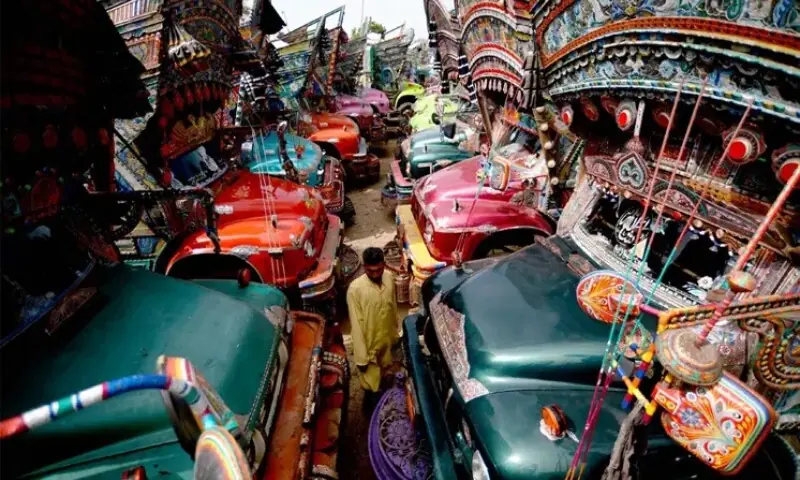
Key context: <figure class='media w-full sm:w-full media--center ' data-original-src='https://i.dawn.com/large/2026/08/110259270a2591d.webp'> <div class='media__item '><picture><img src='https://i.dawn.com/large/2026/08/110259270a2591d.webp' alt=' KARACHI: A driver passes between trucks parked at the Shireen Jinnah colony terminal, as a wheel-jam strike called by goods transporters affected the movement of cargo across the country for a third consecutive day. Talks between transporters and the government are expected to continue today.—PPI ' /></picture></div> <figcaption class='media__caption '>KARACHI: A driver passes between trucks parked at the Shireen Jinnah colony terminal, as a wheel-jam strike called by goods transporters affected the movement of cargo across the country for a third consecutive day. Talks between transporters and the government are expected to continue today.—PPI</figcaption> </figure> <p>• Next round of talks with govt today<br>• KCCI offers to mediate between both sides</p> <p>ISLAMABAD/KARACHI: Talks between <a href="https://www.dawn.com/news/2021626">striking transporters</a> and the government continued until late Monday night with both sides holding firm on their demands as the deadlock persisted, mainly over fuel pricing and taxes.</p> <p>The next round of negotiations will be held today.</p> <p>As oil tankers, edible oil tankers, trailers, goods transport trucks, etc. went off the road on Friday night ahead of the scheduled <a href="https://www.dawn.com/news/2021373">strike</a> from Saturday, the government offered talks with the collective body of the striking transporters.</p> <p>As the first round of talks held on Monday morning remained inconclusive with both sides unwilling to yield any ground, the second round of negotiations commenced later in the afternoon. The transporters have presented three main demands, each related to different ministries.</p> <p>The first demand, to increase the permissible weight for 10-wheeler vehicles to 35 tonnes from the current 27.5 tonnes, as well as reduce toll tax rates, relates to the National Highways Authority (NHA) and the communications ministry.</p> <p>The other demand was that diesel pricing should be revised on a monthly basis, as <a href="https://www.dawn.com/news/2016227/govt-to-fix-fuel-prices-daily-due-to-renewed-hostilities-in-persian-gulf-petroleum-minister">daily price revisions</a> disturb their business planning. The third demand of the transporters relates to customs duties and income tax.</p> <p>The government side was jointly led by Communications Minister Aleem Khan and Petroleum Minister Ali Pervaiz Malik. It included relevant officers from the FBR, ministries, ports and shipping, federal secretaries, and transport secretaries of the four provinces.</p> <p>Meanwhile, the strikers gathered under the platform of the All Pakistan Goods Transport Ittehad alliance, which includes representatives of various associations.</p> <p>The spokesman for the alliance, Advocate Mohammad Owais Chaudhry, told <em>Dawn</em> that negotiations between the transporters and the government were underway, but no decision had been reached so far. “We have clearly presented our position before the government and will not show any flexibility on it,” he said.</p> <p>He added that the government had to accept the transporters’ demands for the strike to end.</p> <p>Meanwhile, a senior official in the government negotiating team said the daily fuel adjustment had been made due to volatility in international markets and was not a local issue.</p> <p>However, the government was considering lowering toll tax for heavy vehicles, while the axle load could also be amended.</p> <p><strong>KCCI offer</strong></p> <p>In Karachi, businessmen and exporters have warned that continued suspension of cargo movement would hit industrial production, supply chains, exports and the country’s overall economic activities.</p> <p>Karachi Chamber of Commerce and Industry (KCCI) President Muhammad Rehan Hanif, in a statement issued on Monday, urged the federal as well as all provincial governments to immediately engage representatives of the transport sector at the highest level.</p> <p>He warned that any prolonged disruption in the movement of goods and petroleum products could have a cascading impact on industrial production, availability of raw materials, delivery of finished products, fuel supplies, domestic commerce and export shipments.</p> <p>He asked stakeholders in the transport sector to consider the enormous damage being caused to the country by the strike. He urged them to call off the strike in the larger interest of Pakistan, expressing hope that the government would engage with them and that their legitimate demands could be discussed and resolved through negotiations.</p> <p>“The KCCI is ready to play its role as a mediator,” Mr Hanif said.</p> <p>Pakistan Textile Council (PTC) Chairman Fawad Anwar, in a letter to the prime minister, said the strike from Saturday could severely affect Pakistan’s textile and apparel supply chains and export shipments.</p> <p>He highlighted that Pakistan’s textile and apparel industry relies heavily on uninterrupted transportation to move imported and locally sourced raw materials to manufacturing units and to ensure finished export consignments reach ports on time.</p> <p>The PTC chairman acknowledged that the transporters’ demands involved matters requiring coordination among different levels and departments of the government. However, he cautioned that the economic cost of the continuing deadlock would increase with every passing day.</p> <p>He requested PM Shehbaz Sharif to bring the relevant government authorities and representatives of the transport sector together to secure an early resolution of the strike.</p> <p><em>Published in Dawn, August 11th, 2026</em></p> This development from dawn.com highlights ongoing changes in the sector.
KARACHI: A driver passes between trucks parked at the Shireen Jinnah colony terminal, as a wheel-jam strike called by goods transporters affected the movement of cargo across the country for a third consecutive day. Talks between transporters and the government are expected to continue today.—PPI • Next round of talks with govt today• KCCI offers to mediate between both sides ISLAMABAD/KARACHI: Talks between striking transporters and the government continued until late Monday night with both sides holding firm on their demands as the deadlock persisted, mainly over fuel pricing and taxes. The next round of negotiations will be held today. As oil tankers, edible oil tankers, trailers, goods transport trucks, etc. went off the road on Friday night ahead of the scheduled strike from Saturday, the government offered talks with the collective body of the striking transporters. As the first round of talks held on Monday morning remained inconclusive with both sides unwilling to yield any ground, the second round of negotiations commenced later in the afternoon. The transporters have presented three main demands, each related to different ministries. The first demand, to increase the permissible weight for 10-wheeler vehicles to 35 tonnes from the current 27.5 tonnes, as well as reduce toll tax rates, relates to the National Highways Authority (NHA) and the communications ministry. The other demand was that diesel pricing should be revised on a monthly basis, as daily price revisions disturb their business planning. The third demand of the transporters relates to customs duties and income tax. The government side was jointly led by Communications Minister Aleem Khan and Petroleum Minister Ali Pervaiz Malik. It included relevant officers from the FBR, ministries, ports and shipping, federal secretaries, and transport secretaries of the four provinces. Meanwhile, the strikers gathered under the platform of the All Pakistan Goods Transport Ittehad alliance, which includes representatives of various associations. The spokesman for the alliance, Advocate Mohammad Owais Chaudhry, told Dawn that negotiations between the transporters and the government were underway, but no decision had been reached so far. “We have clearly presented our position before the government and will not show any flexibility on it,” he said. He added that the government had to accept the transporters’ demands for the strike to end. Meanwhile, a senior official in the government negotiating team said the daily fuel adjustment had been made due to volatility in international markets and was not a local issue. However, the government was considering lowering toll tax for heavy vehicles, while the axle load could also be amended. KCCI offer In Karachi, businessmen and exporters have warned that continued suspension of cargo movement would hit industrial production, supply chains, exports and the country’s overall economic activities. Karachi Chamber of Commerce and Industry (KCCI) President Muhammad Rehan Hanif, in a statement issued on Monday, urged the federal as well as all provincial governments to immediately engage representatives of the transport sector at the highest level. He warned that any prolonged disruption in the movement of goods and petroleum products could have a cascading impact on industrial production, availability of raw materials, delivery of finished products, fuel supplies, domestic commerce and export shipments. He asked stakeholders in the transport sector to consider the enormous damage being caused to the country by the strike. He urged them to call off the strike in the larger interest of Pakistan, expressing hope that the government would engage with them and that their legitimate demands could be discussed and resolved through negotiations. “The KCCI is ready to play its role as a mediator,” Mr Hanif said. Pakistan Textile Council (PTC) Chairman Fawad Anwar, in a letter to the prime minister, said the strike from Saturday could severely affect Pakistan’s textile and apparel supply chains and export shipments. He highlighted that Pakistan’s textile and apparel industry relies heavily on uninterrupted transportation to move imported and locally sourced raw materials to manufacturing units and to ensure finished export consignments reach ports on time. The PTC chairman acknowledged that the transporters’ demands involved matters requiring coordination among different levels and departments of the government. However, he cautioned that the economic cost of the continuing deadlock would increase with every passing day. He requested PM Shehbaz Sharif to bring the relevant government authorities and representatives of the transport sector together to secure an early resolution of the strike. Published in Dawn, August 11th, 2026
Curation & Context
This page summarizes a public news report from dawn.com. Global News Hub provides the "Why This Matters" takeaway using editorial insights and AI curation to give readers rapid, high-value context before they click through to read the full article.