Govt assures public of meeting gas demand in winter, pledges to ensure supply during mealtimes
Why This Matters
Key context: <p>Petroleum Minister Ali Pervaiz Malik on Tuesday assured the public that the government will make utmost efforts to meet the demand for liquefied petroleum gas (LPG) during the winter months.</p> <p>His remarks come as LPG supply has been <a href="https://www.dawn.com/news/2040031">disrupted</a> due to the closure of Iranian border crossings, resulting in gas cylinders being sold at <a href="https://www.dawn.com/news/2041321">twice the official rate</a> in the open market. LPG is widely used for rickshaws, but also for cooking and other purposes by those not on the piped gas network.</p> <p>Addressing a press conference in Islamabad, Malik said, “Seeing people’s distress and also knowing that from December and January, winter will be at its peak […] even if the most expensive fuel has to be purchased for the piped network, we will bring it in and try to meet demand through LNG (liquefied natural gas).”</p> <p>The minister assured the public that the government will make “utmost efforts” to ensure piped supply of domestic gas for meal times. Besides this, LPG will be needed for other needs and by those without piped connections, he noted.</p> <figure class='media w-full w-full media-- media--embed ' data-original-src='https://www.youtube.com/watch?v=Mj5in9jizQY'> <div class='media__item media__item--youtube '><iframe src='https://www.youtube.com/embed/Mj5in9jizQY?enablejsapi=1&controls=1&modestbranding=1&rel=0' loading='lazy' allow='accelerometer; autoplay; clipboard-write; encrypted-media; gyroscope; picture-in-picture' allowfullscreen='' frameborder='0' scrolling='no' width='100%' height='100%'></iframe></div> </figure> <p>Speaking on fuel prices, Malik recalled the <a href="https://www.dawn.com/news/2041653">latest reduction</a> and noted that the international market had closed lower on Tuesday.</p> <p>“Even better news will come before us,” he said, regarding Tuesday’s revision of petrol and diesel prices.</p> <p>Under a newly announced <a href="https://www.dawn.com/news/2041755"><u>arrangement</u></a>, oil refineries will contribute to the petroleum levy by bearing a cumulative impact of Rs15 billion for 30 days, according to the government. This would allow a Rs14.71 reduction in the petrol price at the consumer end.</p> <p>In his press briefing today, Malik said efforts were being made to introduce a similar system for LPG. He observed that the country was facing “numerous challenges” regarding the availability of LPG.</p> <figure class='media w-full sm:w-1/2 media--right media--embed media--uneven' data-original-src='https://www.dawn.com/news/1634632/lpg-the-poor-mans-fuel'> <div class='media__item media__item--newskitlink '> <iframe class="nk-iframe" width="100%" frameborder="0" scrolling="no" style="height:250px;position:relative" src="https://www.dawn.com/news/card/1634632" sandbox="allow-same-origin allow-scripts allow-popups allow-modals allow-forms"></iframe></div> </figure> <p>The minister added that some individuals were trying to exploit the situation after the supply “dried up on our western border”, with consumers being offered LPG at Rs700-800 per kilogramme.</p> <p>Malik elaborated that the total demand for LPG was approximately 2.4 million tonnes, amounting to about 6,500 to 7,000 tonnes per day. Of this, the country locally produces roughly 2,000 to 2,500 tonnes, depending on which crude they use and how much LPG is produced with it, he added.</p> <p>However, “nearly half or more than half” of the demand used to come through the western border, where “difficulties have arisen”, he said. The rest of the demand is fulfilled from two terminals — Engro and <a rel="nofollow noopener noreferrer" target="_blank" class="link--external" href="https://ssgclpg.com/">SSGC LPG</a> — with a combined storage capacity of around 14,000 tonnes, the minister said.</p> <p>Malik further said that efforts were under way to build the country’s energy security architecture from scratch, regretting that no work had so far been done on fuel storage or refineries.</p> <p>“Before the war, nobody ever paid attention to how Pakistan needs to work on its infrastructure and energy security,” he observed.</p> <figure class='media w-full sm:w-1/2 media--right media--embed media--uneven' data-original-src='https://www.dawn.com/news/2041790'> <div class='media__item media__item--newskitlink '> <iframe class="nk-iframe" width="100%" frameborder="0" scrolling="no" style="height:250px;position:relative" src="https://www.dawn.com/news/card/2041790" sandbox="allow-same-origin allow-scripts allow-popups allow-modals allow-forms"></iframe></div> </figure> <p>Recalling that Prime Minister Shehbaz Sharif chaired a meeting earlier in the day on the matter, he added that the premier was personally spearheading efforts to “rebuild the entire system from scratch”.</p> <p>“The war may certainly have caught us in its crossfire, but it meant we had to set our own house in order, right? We neither worked on storage, nor on refineries, nor on the LPG chain,” Malik remarked. The minister noted that the majority of the world had shifted from pressurised containers to refrigerated and cryogenic cargoes.</p> <p>He lamented that small pressurised ships were not easily available, while Very Large Gas Carriers (VLGCs) could not dock either, just like Very Large Crude Carriers (VLCCs).</p> <p>“Even if it comes, where do we store it?”</p> <p>Responding to a query, Malik said, “Domestic [demand] comes first and after that, the space we have carved out is only done by restricting it to the three meal times.”</p> <p>He said domestic demand was expected to surge by 400 to 500 million cubic feet per day (mmcfd), so “we will do whatever curtailment we have to accordingly”.</p> <p>The minister said PM Shehbaz had directed that the necessary alternative arrangements for RLNG be made as well for power, adding: “But for November, we are well covered for both requirements.”</p> <figure class='media w-full w-full media-- media--embed ' data-original-src='https://www.youtube.com/watch?v=oFtrTtiJIyI'> <div class='media__item media__item--youtube '><iframe src='https://www.youtube.com/embed/oFtrTtiJIyI?enablejsapi=1&controls=1&modestbranding=1&rel=0' loading='lazy' allow='accelerometer; autoplay; clipboard-write; encrypted-media; gyroscope; picture-in-picture' allowfullscreen='' frameborder='0' scrolling='no' width='100%' height='100%'></iframe></div> </figure> <p>In his remarks alongside Malik, Information Minister Attaullah Tarar emphasised that the prime minister prioritised the public’s interests and made “strong and bold” decisions, such as the fuel subsidy scheme.</p> <p>Speaking about the LPG sector, he said, “The monopoly has been abolished, the quota system under which a few people engaged in profiteering has been abolished, discretion has been eliminated, the process has been made transparent [and] competition has been introduced.”</p> <p>He noted that PM Shehbaz had directed Malik to draft a plan for LPG supply during the winter and ensure there was no load-shedding during meal times.</p> <p>“Overall, if you look at it, even in the most difficult circumstances, PM Shehbaz has not abandoned the public. Reforms were carried out, structural reforms were introduced, the process was made transparent and the Oil and Gas Regulatory Authority (Ogra) started publishing all the details on its website,” Tarar said.</p> <h2><a id="to-bring-competition-in-sector" href="#to-bring-competition-in-sector" class="heading-permalink" aria-hidden="true" tabindex="-1" title="Permalink"></a>‘To bring competition in sector’</h2> <p>Expanding upon the pricing mechanism, the petroleum minister said that, internationally, Saudi oil giant Aramco determined the LPG price through its contract price (CP), similar to how Platts determined the oil rate.</p> <p>Malik added that the price was issued on a monthly basis, with Ogra notifying the rate. Therefore, “the government does not have much of a role in it”, he said.</p> <p>He stressed the provision of LPG to the public at a “fair” price.</p> <p>“It cannot be that if the price in the international market is Rs1,000, we can provide it locally for Rs500,” he said. The minister explained that Ogra notified the recent <a href="https://www.dawn.com/news/2041321">increase</a> in the LPG price because Aramco had announced the CP price of $756 per tonne, compared to $540 per tonne in March.</p> <figure class='media w-full sm:w-1/2 media--right media--embed media--uneven' data-original-src='https://www.dawn.com/news/2041321'> <div class='media__item media__item--newskitlink '> <iframe class="nk-iframe" width="100%" frameborder="0" scrolling="no" style="height:250px;position:relative" src="https://www.dawn.com/news/card/2041321" sandbox="allow-same-origin allow-scripts allow-popups allow-modals allow-forms"></iframe></div> </figure> <p>Malik lamented that the gas sector was not properly formalised, remarking that the more formal a player was in the LPG market, the more troubled they were because they “could not compete against the informal sector”.</p> <p>“So, the decision made for this is that competition be introduced into this sector, and through competition, efforts be made to import the cheapest possible fuel and its availability to the public at that price should be ensured, no matter what challenges arise.”</p> <p>The minister noted that under the 2016 LPG policy, Ogra was to decide the price for locally produced LPG based on the CP, or the Free On Board (FOB) price, notified by Aramco. He said the situation had been fine since there were no import costs attached under this system.</p> <p>However, as the demand for fuel grew — so much so that 70 per cent of the need was currently being met through imports — the FOB formula did not cover the import cost and people shifted towards the “grey channel” instead of importing.</p> <p>“Therefore, it has now been decided that this sector will be opened up for competition,” he announced.</p> <p>To correct collusion and cartelisation, the government has directed the state’s major companies — Pakistan State Oil Company, SSGC LPG, and Pakistan LNG Limited — to book bulk deals on government-to-government (G2G) and business-to-business (B2B) bases, Malik said.</p> <p>“And they have made a lot of progress in that,” he added.</p> This development from dawn.com highlights ongoing changes in the sector.
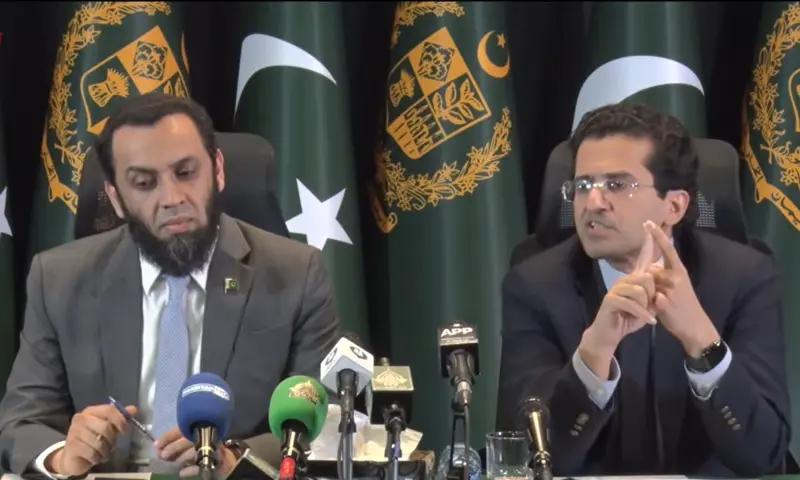
Petroleum Minister Ali Pervaiz Malik on Tuesday assured the public that the government will make utmost efforts to meet the demand for liquefied petroleum gas (LPG) during the winter months. His remarks come as LPG supply has been disrupted due to the closure of Iranian border crossings, resulting in gas cylinders being sold at twice the official rate in the open market. LPG is widely used for rickshaws, but also for cooking and other purposes by those not on the piped gas network. Addressing a press conference in Islamabad, Malik said, “Seeing people’s distress and also knowing that from December and January, winter will be at its peak […] even if the most expensive fuel has to be purchased for the piped network, we will bring it in and try to meet demand through LNG (liquefied natural gas).” The minister assured the public that the government will make “utmost efforts” to ensure piped supply of domestic gas for meal times. Besides this, LPG will be needed for other needs and by those without piped connections, he noted. Speaking on fuel prices, Malik recalled the latest reduction and noted that the international market had closed lower on Tuesday. “Even better news will come before us,” he said, regarding Tuesday’s revision of petrol and diesel prices. Under a newly announced arrangement, oil refineries will contribute to the petroleum levy by bearing a cumulative impact of Rs15 billion for 30 days, according to the government. This would allow a Rs14.71 reduction in the petrol price at the consumer end. In his press briefing today, Malik said efforts were being made to introduce a similar system for LPG. He observed that the country was facing “numerous challenges” regarding the availability of LPG. The minister added that some individuals were trying to exploit the situation after the supply “dried up on our western border”, with consumers being offered LPG at Rs700-800 per kilogramme. Malik elaborated that the total demand for LPG was approximately 2.4 million tonnes, amounting to about 6,500 to 7,000 tonnes per day. Of this, the country locally produces roughly 2,000 to 2,500 tonnes, depending on which crude they use and how much LPG is produced with it, he added. However, “nearly half or more than half” of the demand used to come through the western border, where “difficulties have arisen”, he said. The rest of the demand is fulfilled from two terminals — Engro and SSGC LPG — with a combined storage capacity of around 14,000 tonnes, the minister said. Malik further said that efforts were under way to build the country’s energy security architecture from scratch, regretting that no work had so far been done on fuel storage or refineries. “Before the war, nobody ever paid attention to how Pakistan needs to work on its infrastructure and energy security,” he observed. Recalling that Prime Minister Shehbaz Sharif chaired a meeting earlier in the day on the matter, he added that the premier was personally spearheading efforts to “rebuild the entire system from scratch”. “The war may certainly have caught us in its crossfire, but it meant we had to set our own house in order, right? We neither worked on storage, nor on refineries, nor on the LPG chain,” Malik remarked. The minister noted that the majority of the world had shifted from pressurised containers to refrigerated and cryogenic cargoes. He lamented that small pressurised ships were not easily available, while Very Large Gas Carriers (VLGCs) could not dock either, just like Very Large Crude Carriers (VLCCs). “Even if it comes, where do we store it?” Responding to a query, Malik said, “Domestic [demand] comes first and after that, the space we have carved out is only done by restricting it to the three meal times.” He said domestic demand was expected to surge by 400 to 500 million cubic feet per day (mmcfd), so “we will do whatever curtailment we have to accordingly”. The minister said PM Shehbaz had directed that the necessary alternative arrangements for RLNG be made as well for power, adding: “But for November, we are well covered for both requirements.” In his remarks alongside Malik, Information Minister Attaullah Tarar emphasised that the prime minister prioritised the public’s interests and made “strong and bold” decisions, such as the fuel subsidy scheme. Speaking about the LPG sector, he said, “The monopoly has been abolished, the quota system under which a few people engaged in profiteering has been abolished, discretion has been eliminated, the process has been made transparent [and] competition has been introduced.” He noted that PM Shehbaz had directed Malik to draft a plan for LPG supply during the winter and ensure there was no load-shedding during meal times. “Overall, if you look at it, even in the most difficult circumstances, PM Shehbaz has not abandoned the public. Reforms were carried out, structural reforms were introduced, the process was made transparent and the Oil and Gas Regulatory Authority (Ogra) started publishing all the details on its website,” Tarar said. ‘To bring competition in sector’ Expanding upon the pricing mechanism, the petroleum minister said that, internationally, Saudi oil giant Aramco determined the LPG price through its contract price (CP), similar to how Platts determined the oil rate. Malik added that the price was issued on a monthly basis, with Ogra notifying the rate. Therefore, “the government does not have much of a role in it”, he said. He stressed the provision of LPG to the public at a “fair” price. “It cannot be that if the price in the international market is Rs1,000, we can provide it locally for Rs500,” he said. The minister explained that Ogra notified the recent increase in the LPG price because Aramco had announced the CP price of $756 per tonne, compared to $540 per tonne in March. Malik lamented that the gas sector was not properly formalised, remarking that the more formal a player was in the LPG market, the more troubled they were because they “could not compete against the informal sector”. “So, the decision made for this is that competition be introduced into this sector, and through competition, efforts be made to import the cheapest possible fuel and its availability to the public at that price should be ensured, no matter what challenges arise.” The minister noted that under the 2016 LPG policy, Ogra was to decide the price for locally produced LPG based on the CP, or the Free On Board (FOB) price, notified by Aramco. He said the situation had been fine since there were no import costs attached under this system. However, as the demand for fuel grew — so much so that 70 per cent of the need was currently being met through imports — the FOB formula did not cover the import cost and people shifted towards the “grey channel” instead of importing. “Therefore, it has now been decided that this sector will be opened up for competition,” he announced. To correct collusion and cartelisation, the government has directed the state’s major companies — Pakistan State Oil Company, SSGC LPG, and Pakistan LNG Limited — to book bulk deals on government-to-government (G2G) and business-to-business (B2B) bases, Malik said. “And they have made a lot of progress in that,” he added.
Curation & Context
This page summarizes a public news report from dawn.com. Global News Hub provides the "Why This Matters" takeaway using editorial insights and AI curation to give readers rapid, high-value context before they click through to read the full article.