Jhelum's ancient Padhri village faces relentless erosion
Why This Matters
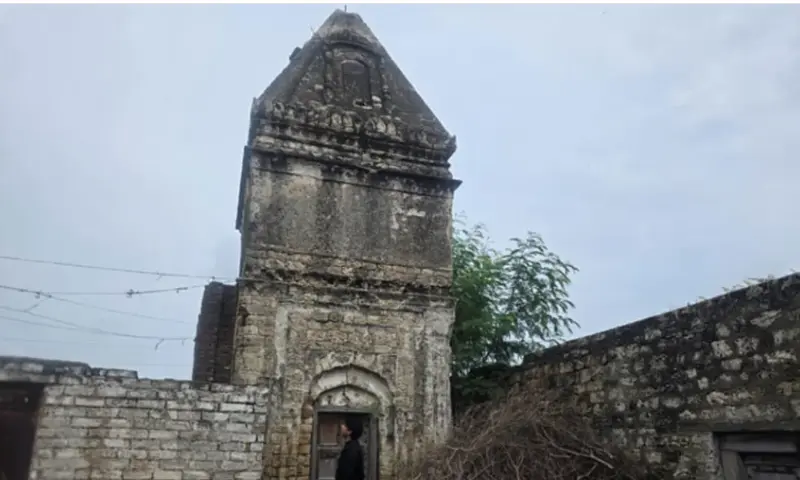
Key context: <figure class='media w-full sm:w-full media--center media--uneven media--stretch' data-original-src='https://i.dawn.com/large/2026/11/020413063ec476e.webp'> <div class='media__item '><picture><img width='1200' height='874' src='https://i.dawn.com/large/2026/11/020413063ec476e.webp' alt=' A visitor looks at the spire of a temple that is now being used as a cattle pen in Padhri village. ' /></picture></div> <figcaption class='media__caption '>A visitor looks at the spire of a temple that is now being used as a cattle pen in Padhri village.</figcaption> </figure> <p><br>Located at the foot of Tilla Jogian, Padhri village is another place dotted with astonishing examples of stone architecture typical of the Salt Range terrain.</p> <p>Locally sourced stones have been crafted into remarkable structures, reflecting the enduring nature of art.</p> <p>Padhri is a small village nestled among the hillocks beneath Tilla Jogian, a site dating back to the BC era.</p> <figure class='media w-full sm:w-full media--center media--uneven media--stretch' data-original-src='https://i.dawn.com/large/2026/11/02041306bddc622.webp'> <div class='media__item '><picture><img width='1200' height='894' src='https://i.dawn.com/large/2026/11/02041306bddc622.webp' alt=' The entrance of a pre-Partition stone-built house, with seating ledges on either side. ' /></picture></div> <figcaption class='media__caption '>The entrance of a pre-Partition stone-built house, with seating ledges on either side.</figcaption> </figure> <p>Padhri is a purely Potohari word, mostly used for a stretch of land smoothed out from uneven terrain. The medium-sized village is spread across a small patch of land surrounded on all sides by deep ditches, making it inaccessible from almost every direction except through a narrow passage that provides road access.</p> <p>The ordinary as well as palatial houses, which are now rapidly being demolished in the name of modernity, were built with stone. Even the remaining stretches of its streets offer a glimpse of an ancient Italian spectacle. This beautiful marvel of local stone architecture also bears the footprints of the harmonious coexistence of different religions and cultures.</p> <figure class='media w-full sm:w-4/5 media--center media--uneven media--stretch' data-original-src='https://i.dawn.com/large/2026/11/02041305d7bee44.jpg'> <div class='media__item '><picture><img width='722' height='960' src='https://i.dawn.com/large/2026/11/02041305d7bee44.jpg' alt=' A peripheral pathway around the village is rapidly crumbling due to continuous erosion, threatening nearby homes and putting residents’ lives at risk. ' /></picture></div> <figcaption class='media__caption '>A peripheral pathway around the village is rapidly crumbling due to continuous erosion, threatening nearby homes and putting residents’ lives at risk.</figcaption> </figure> <p>A stone-built Hindu temple, with intact frescoes depicting deities and other designs, is now being used as a cattle pen. This reflects the neglect of our history and culture that is so common under the ‘bliss of ignorance’.</p> <p>Muhammad Tariq, a local resident, told this correspondent that the shining brass masts once stood atop the temple but were stolen overnight about a decade ago.</p> <p>Syed Ahmed, another resident, while guiding this correspondent through the streets, said all the houses had been built with grey stones brought from the surrounding hills of Tarakki, Domeli and Tilla Jogian. Hindus and Muslims lived there in complete harmony and communion. After the Partition of the subcontinent, the vacated houses were mostly allotted to migrants from Kashmir and other areas. Most of these allottees later sold the properties, while alterations to the buildings continued unchecked by the Evacuee Trust, which had allotted them.</p> <figure class='media w-full sm:w-full media--center media--uneven media--stretch' data-original-src='https://i.dawn.com/large/2026/11/02041305256552a.jpg'> <div class='media__item '><picture><img width='1200' height='893' src='https://i.dawn.com/large/2026/11/02041305256552a.jpg' alt=' A house built with yellowish fossil stones and reddish-brown baked bricks, featuring arched openings and parapets, showcases the beauty of traditional architecture. ' /></picture></div> <figcaption class='media__caption '>A house built with yellowish fossil stones and reddish-brown baked bricks, featuring arched openings and parapets, showcases the beauty of traditional architecture.</figcaption> </figure> <p>A centuries-old small mosque, featuring a highly attractive facade built with sandy grey stones, is another marvel of stone craftsmanship in the Domeli and Tilla region. Its architecture has few parallels in modern construction and technology.</p> <p>Chaudhary Sarmad Ehsan Sadiq, a visitor from a university in the United States, commenting on the precision of the intricate and complex designs, said this represented advanced architectural engineering that had flourished in the Domeli and Tilla Jogian region in particular.</p> <p>The use of large, single stones as canvases to carve arches, pillars and panels with geometrical and artistic precision represented a remarkable science known only to the masons who had lived among these stones for generations around Tilla Jogian, Sarmad Ehsan said.</p> <p>The remains of a beautifully constructed villa belonging to an influential figure of ancient times also stand surrounded by bushes. Its surviving series of magnificent arches resting on symmetrical pillars hints at the prestigious position it enjoyed during the British era and beyond.</p> <figure class='media w-full sm:w-full media--center media--uneven media--stretch' data-original-src='https://i.dawn.com/large/2026/11/020413067942cd9.jpg'> <div class='media__item '><picture><img width='1200' height='888' src='https://i.dawn.com/large/2026/11/020413067942cd9.jpg' alt=' A surviving row of arches from an old villa or dak bungalow evokes memories of the village’s past splendour and its former prominence in the region. — Photos by the writer ' /></picture></div> <figcaption class='media__caption '>A surviving row of arches from an old villa or dak bungalow evokes memories of the village’s past splendour and its former prominence in the region. — Photos by the writer</figcaption> </figure> <p>Chaudhary Asim, a UK-based native of the area, regretted that unchecked soil erosion on all sides of Padhri village was undermining the foundations of houses.</p> <p>“Eroding earth crumbling down into the surrounding ditches is endangering not only the population but also the centuries-old stone architecture, which is deteriorating day by day,” he said. He urged Punjab Chief Minister Maryam Nawaz Sharif to have the historic village declared a protected site by the Archaeology and Culture Department to prevent further destruction.</p> <p>When contacted for comment, Jhelum Deputy Commissioner Mir Reza Ozgen acknowledged the seriousness of the situation and regretted the unavailability of funds. However, he said that an assessment and PC-I for the preservation of the monuments would be prepared, along with a formal request for the provision of funds.</p> <p><em>Published in Dawn, November 2nd, 2026</em></p> This development from dawn.com highlights ongoing changes in the sector.
A visitor looks at the spire of a temple that is now being used as a cattle pen in Padhri village. Located at the foot of Tilla Jogian, Padhri village is another place dotted with astonishing examples of stone architecture typical of the Salt Range terrain. Locally sourced stones have been crafted into remarkable structures, reflecting the enduring nature of art. Padhri is a small village nestled among the hillocks beneath Tilla Jogian, a site dating back to the BC era. The entrance of a pre-Partition stone-built house, with seating ledges on either side. Padhri is a purely Potohari word, mostly used for a stretch of land smoothed out from uneven terrain. The medium-sized village is spread across a small patch of land surrounded on all sides by deep ditches, making it inaccessible from almost every direction except through a narrow passage that provides road access. The ordinary as well as palatial houses, which are now rapidly being demolished in the name of modernity, were built with stone. Even the remaining stretches of its streets offer a glimpse of an ancient Italian spectacle. This beautiful marvel of local stone architecture also bears the footprints of the harmonious coexistence of different religions and cultures. A peripheral pathway around the village is rapidly crumbling due to continuous erosion, threatening nearby homes and putting residents’ lives at risk. A stone-built Hindu temple, with intact frescoes depicting deities and other designs, is now being used as a cattle pen. This reflects the neglect of our history and culture that is so common under the ‘bliss of ignorance’. Muhammad Tariq, a local resident, told this correspondent that the shining brass masts once stood atop the temple but were stolen overnight about a decade ago. Syed Ahmed, another resident, while guiding this correspondent through the streets, said all the houses had been built with grey stones brought from the surrounding hills of Tarakki, Domeli and Tilla Jogian. Hindus and Muslims lived there in complete harmony and communion. After the Partition of the subcontinent, the vacated houses were mostly allotted to migrants from Kashmir and other areas. Most of these allottees later sold the properties, while alterations to the buildings continued unchecked by the Evacuee Trust, which had allotted them. A house built with yellowish fossil stones and reddish-brown baked bricks, featuring arched openings and parapets, showcases the beauty of traditional architecture. A centuries-old small mosque, featuring a highly attractive facade built with sandy grey stones, is another marvel of stone craftsmanship in the Domeli and Tilla region. Its architecture has few parallels in modern construction and technology. Chaudhary Sarmad Ehsan Sadiq, a visitor from a university in the United States, commenting on the precision of the intricate and complex designs, said this represented advanced architectural engineering that had flourished in the Domeli and Tilla Jogian region in particular. The use of large, single stones as canvases to carve arches, pillars and panels with geometrical and artistic precision represented a remarkable science known only to the masons who had lived among these stones for generations around Tilla Jogian, Sarmad Ehsan said. The remains of a beautifully constructed villa belonging to an influential figure of ancient times also stand surrounded by bushes. Its surviving series of magnificent arches resting on symmetrical pillars hints at the prestigious position it enjoyed during the British era and beyond. A surviving row of arches from an old villa or dak bungalow evokes memories of the village’s past splendour and its former prominence in the region. — Photos by the writer Chaudhary Asim, a UK-based native of the area, regretted that unchecked soil erosion on all sides of Padhri village was undermining the foundations of houses. “Eroding earth crumbling down into the surrounding ditches is endangering not only the population but also the centuries-old stone architecture, which is deteriorating day by day,” he said. He urged Punjab Chief Minister Maryam Nawaz Sharif to have the historic village declared a protected site by the Archaeology and Culture Department to prevent further destruction. When contacted for comment, Jhelum Deputy Commissioner Mir Reza Ozgen acknowledged the seriousness of the situation and regretted the unavailability of funds. However, he said that an assessment and PC-I for the preservation of the monuments would be prepared, along with a formal request for the provision of funds. Published in Dawn, November 2nd, 2026
Curation & Context
This page summarizes a public news report from dawn.com. Global News Hub provides the "Why This Matters" takeaway using editorial insights and AI curation to give readers rapid, high-value context before they click through to read the full article.