Conveyor belt failure at bulk terminal disrupts coal imports
Why This Matters
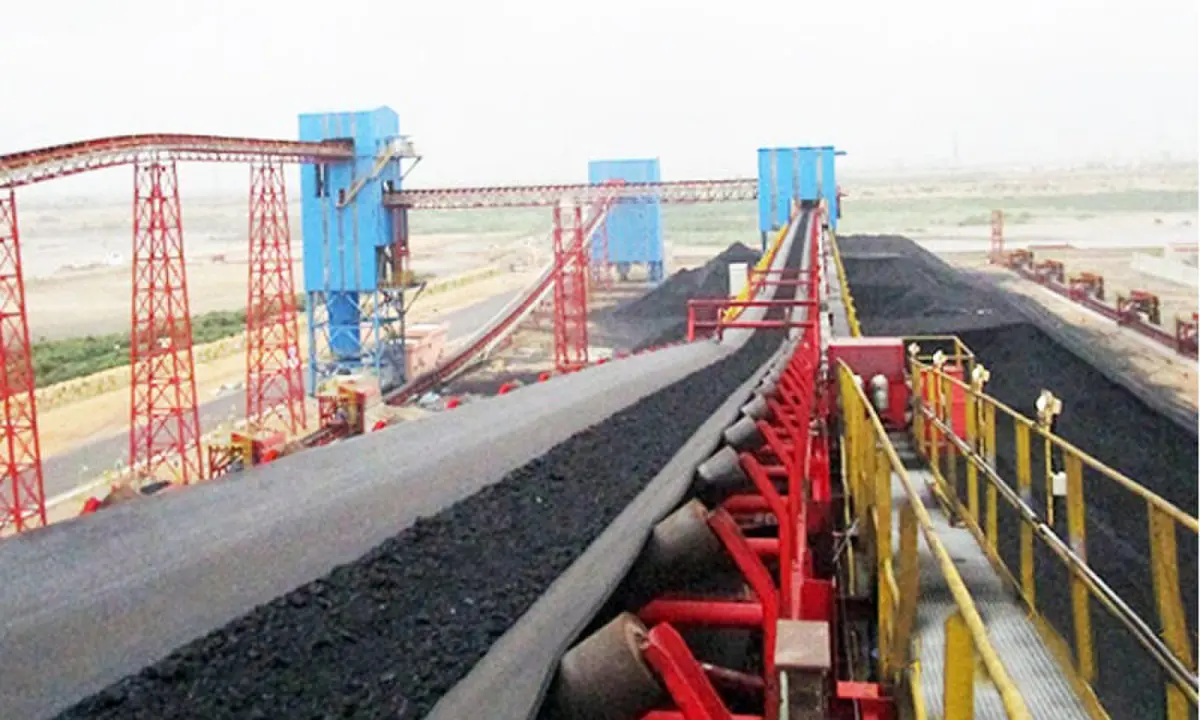
Key context: <p>• Coal discharge rate falls from 30,000 to 3,000 tonnes per day <br>• Jamshoro Power Company warns of $2-3 million demurrage on five incoming vessels; fears Rs2.2 billion monthly capacity payment losses</p> <p>ISLAMABAD: The one and only coal-handling conveyor system at Pakistan International Bulk Terminal (PIBT) at Port Qasim has been out of operation since Nov 18, disrupting imported coal supplies to power plants and industries, including cement and textiles, at a time when the power sector is already facing LNG supply disruptions and reduced hydroelectric availability.</p> <p>Public and private sector power plants and their coal suppliers face mounting demurrage charges as vessels wait to discharge cargo, besides potential power generation problems, penalties and revenue losses.</p> <p>With coal discharge rates at the terminal falling to one-tenth of their normal level, PIBT has declined requests from power producers and suppliers to declare force majeure, which they say would help them pursue insurance claims and avoid financial losses.</p> <p>According to PIBT, the terminal’s conveyor was damaged on Nov 18 during the discharge of coal from the vessel ‘Pegasus 8’ due to the “excessively dusty nature of the Tanzanian coal” and the presence of “foreign materials, particularly sharp pieces of iron mixed with the cargo”. Repairs could take eight to 10 days, it said.</p> <p>The state-run Jamshoro Power Company (JPC) reported that “vessels are being discharged manually at a significantly reduced rate (3,000MT per day versus the usual 30,000 MT per day)”.</p> <p>In a letter to PIBT and the federal government, JPC said it depended on “uninterrupted coal receipts” through the terminal and that “this disruption puts that supply at immediate risk with serious and compounding consequences”.</p> <p>The company said delayed coal receipts threatened critical stocks at its plant and, consequently, its operations and electricity generation for the national grid, besides causing port congestion and demurrage charges.</p> <p>Slower discharge would lengthen queues at PIBT and expose waiting vessels to demurrage, increasing the cost of imported coal and, subsequently, electricity generation.</p> <p>The company warned that delays to incoming shipments would also disrupt critical supplies and raise future procurement costs due to demurrage on vessels already en route or ordered.</p> <p>“Based on our five upcoming vessels, demurrage exposure is expected to exceed $2-3 million (Rs556m-Rs834m). Furthermore, the disruption could result in potential capacity payment losses of approximately Rs2.2 billion per month to JPC due to insufficient coal inventory,” it said.</p> <p>Given these consequences, JPC called on PIBT to declare force majeure in view of the nature and scale of the failure.</p> <p>“JPC requests that PIBT formally declare force majeure without delay,” it said, warning “all demurrage, detention, additional expenses, damages and losses arising out of or attributable to the disruption shall be borne by PIBT”.</p> <p>A shipping line has warned that it would seek compensation for the prolonged wait for discharge as well as any damage caused to its vessel during conventional unloading.</p> <p>However, PIBT rejected the requests, saying the breakdown was not “an event giving rise to any declaration of force majeure on our part, as the discharging operations are ongoing, albeit through conventional means”, which were “understandably going to be slower”.</p> <p>Sources said the terminal’s dependence on a single jetty, coal berth and conveyor system had compounded the problem. A second conveyor proposed in 2021 to increase annual handling capacity from 12m to 17m tonnes has yet to be built.</p> <p><em>Published in Dawn, November 23rd, 2026</em></p> This development from dawn.com highlights ongoing changes in the sector.
• Coal discharge rate falls from 30,000 to 3,000 tonnes per day • Jamshoro Power Company warns of $2-3 million demurrage on five incoming vessels; fears Rs2.2 billion monthly capacity payment losses ISLAMABAD: The one and only coal-handling conveyor system at Pakistan International Bulk Terminal (PIBT) at Port Qasim has been out of operation since Nov 18, disrupting imported coal supplies to power plants and industries, including cement and textiles, at a time when the power sector is already facing LNG supply disruptions and reduced hydroelectric availability. Public and private sector power plants and their coal suppliers face mounting demurrage charges as vessels wait to discharge cargo, besides potential power generation problems, penalties and revenue losses. With coal discharge rates at the terminal falling to one-tenth of their normal level, PIBT has declined requests from power producers and suppliers to declare force majeure, which they say would help them pursue insurance claims and avoid financial losses. According to PIBT, the terminal’s conveyor was damaged on Nov 18 during the discharge of coal from the vessel ‘Pegasus 8’ due to the “excessively dusty nature of the Tanzanian coal” and the presence of “foreign materials, particularly sharp pieces of iron mixed with the cargo”. Repairs could take eight to 10 days, it said. The state-run Jamshoro Power Company (JPC) reported that “vessels are being discharged manually at a significantly reduced rate (3,000MT per day versus the usual 30,000 MT per day)”. In a letter to PIBT and the federal government, JPC said it depended on “uninterrupted coal receipts” through the terminal and that “this disruption puts that supply at immediate risk with serious and compounding consequences”. The company said delayed coal receipts threatened critical stocks at its plant and, consequently, its operations and electricity generation for the national grid, besides causing port congestion and demurrage charges. Slower discharge would lengthen queues at PIBT and expose waiting vessels to demurrage, increasing the cost of imported coal and, subsequently, electricity generation. The company warned that delays to incoming shipments would also disrupt critical supplies and raise future procurement costs due to demurrage on vessels already en route or ordered. “Based on our five upcoming vessels, demurrage exposure is expected to exceed $2-3 million (Rs556m-Rs834m). Furthermore, the disruption could result in potential capacity payment losses of approximately Rs2.2 billion per month to JPC due to insufficient coal inventory,” it said. Given these consequences, JPC called on PIBT to declare force majeure in view of the nature and scale of the failure. “JPC requests that PIBT formally declare force majeure without delay,” it said, warning “all demurrage, detention, additional expenses, damages and losses arising out of or attributable to the disruption shall be borne by PIBT”. A shipping line has warned that it would seek compensation for the prolonged wait for discharge as well as any damage caused to its vessel during conventional unloading. However, PIBT rejected the requests, saying the breakdown was not “an event giving rise to any declaration of force majeure on our part, as the discharging operations are ongoing, albeit through conventional means”, which were “understandably going to be slower”. Sources said the terminal’s dependence on a single jetty, coal berth and conveyor system had compounded the problem. A second conveyor proposed in 2021 to increase annual handling capacity from 12m to 17m tonnes has yet to be built. Published in Dawn, November 23rd, 2026
Curation & Context
This page summarizes a public news report from dawn.com. Global News Hub provides the "Why This Matters" takeaway using editorial insights and AI curation to give readers rapid, high-value context before they click through to read the full article.