ECP says it cannot force parties to field women on winnable seats
Why This Matters
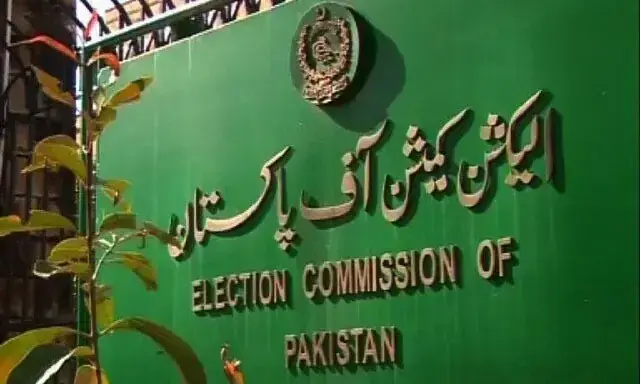
Key context: <p>ISLAMABAD: The Election Commission of Pakistan (ECP) on Friday made it clear that the allocation of party tickets was an internal matter for political parties and that it had no legal authority to intervene.</p> <p>The ECP explained its position a day after a National Assembly panel directed it to ensure that the <a href="https://www.dawn.com/news/2047274/ecp-told-to-ensure-women-get-tickets-for-winnable-general-seats">five per cent quota</a> for women on general seats under Section 206 of the Elections Act, 2017, is implemented in a manner that women are fielded on seats where their victory is certain.</p> <p>The ECP said it had informed the Sub-Committee of the National Assembly’s Special Committee on Gender Mainstreaming at the time that, under the existing electoral laws, the authority to award tickets to women rested with the political party concerned.</p> <p>According to the commission, ‘‘it could neither interfere in the process of ticket distribution nor decide on which seat a party should field a woman candidate”.</p> <p>The distribution of seats, the ECP said, was an internal affair of political parties. Therefore, if the committee wanted women to be given general seats where their victory was assured, legislation would be required for that purpose, and the power to legislate rested with Parliament.</p> <p>Section 206 of the Elections Act, 2017, requires every political party to award at least five per cent of its tickets on general seats to women candidates.</p> <p>The provision was introduced to increase women’s representation in elected bodies and ensure that parties do not confine women candidates to reserved seats alone.</p> <p>In practice, however, women candidates have often been fielded on seats considered difficult for their parties, a concern repeatedly raised in Parliament and by civil society organisations.</p> <p>The NA body has now urged the ECP to ensure that the quota translates into meaningful representation by requiring political parties to field women candidates in winnable constituencies.</p> <figure class='media w-full sm:w-1/2 media--right media--embed media--uneven' data-original-src='https://www.dawn.com/news/1881130'> <div class='media__item media__item--newskitlink '> <iframe class="nk-iframe" width="100%" frameborder="0" scrolling="no" style="height:250px;position:relative" src="https://www.dawn.com/news/card/1881130" sandbox="allow-same-origin allow-scripts allow-popups allow-modals allow-forms"></iframe></div> </figure> <p>The ECP’s position is that the existing law only prescribes a minimum percentage of tickets for women. It does not empower the commission to assess the winnability of a constituency or direct a party to change its candidate for a particular seat.</p> <p>Legal experts say any such condition would require an amendment to the Elections Act by Parliament, specifying criteria for winnable seats and the mechanism for enforcement.</p> <p>The committee also directed the ECP to make arrangements for filling 563 vacant seats in various local governments.</p> <p>In this regard, the ECP informed the committee that it had issued election schedules on several occasions to fill these vacant seats.</p> <p>However, no woman had filed nomination papers for these seats, the commission said, adding that elections could not be held in the absence of candidates.</p> <p>The ECP said it remained ready to hold elections on vacant seats as soon as candidates came forward in accordance with the law.</p> <p>At Thursday’s meeting, the committee also reviewed a briefing by Nadra and noted that female registrations in 2026 were 5.57pc higher than male registrations. However, Senator Qaim Khani raised concerns over women’s representation in the authority’s senior management, where only 15 women held positions of director or above.</p> This development from dawn.com highlights ongoing changes in the sector.
ISLAMABAD: The Election Commission of Pakistan (ECP) on Friday made it clear that the allocation of party tickets was an internal matter for political parties and that it had no legal authority to intervene. The ECP explained its position a day after a National Assembly panel directed it to ensure that the five per cent quota for women on general seats under Section 206 of the Elections Act, 2017, is implemented in a manner that women are fielded on seats where their victory is certain. The ECP said it had informed the Sub-Committee of the National Assembly’s Special Committee on Gender Mainstreaming at the time that, under the existing electoral laws, the authority to award tickets to women rested with the political party concerned. According to the commission, ‘‘it could neither interfere in the process of ticket distribution nor decide on which seat a party should field a woman candidate”. The distribution of seats, the ECP said, was an internal affair of political parties. Therefore, if the committee wanted women to be given general seats where their victory was assured, legislation would be required for that purpose, and the power to legislate rested with Parliament. Section 206 of the Elections Act, 2017, requires every political party to award at least five per cent of its tickets on general seats to women candidates. The provision was introduced to increase women’s representation in elected bodies and ensure that parties do not confine women candidates to reserved seats alone. In practice, however, women candidates have often been fielded on seats considered difficult for their parties, a concern repeatedly raised in Parliament and by civil society organisations. The NA body has now urged the ECP to ensure that the quota translates into meaningful representation by requiring political parties to field women candidates in winnable constituencies. The ECP’s position is that the existing law only prescribes a minimum percentage of tickets for women. It does not empower the commission to assess the winnability of a constituency or direct a party to change its candidate for a particular seat. Legal experts say any such condition would require an amendment to the Elections Act by Parliament, specifying criteria for winnable seats and the mechanism for enforcement. The committee also directed the ECP to make arrangements for filling 563 vacant seats in various local governments. In this regard, the ECP informed the committee that it had issued election schedules on several occasions to fill these vacant seats. However, no woman had filed nomination papers for these seats, the commission said, adding that elections could not be held in the absence of candidates. The ECP said it remained ready to hold elections on vacant seats as soon as candidates came forward in accordance with the law. At Thursday’s meeting, the committee also reviewed a briefing by Nadra and noted that female registrations in 2026 were 5.57pc higher than male registrations. However, Senator Qaim Khani raised concerns over women’s representation in the authority’s senior management, where only 15 women held positions of director or above.
Curation & Context
This page summarizes a public news report from dawn.com. Global News Hub provides the "Why This Matters" takeaway using editorial insights and AI curation to give readers rapid, high-value context before they click through to read the full article.