PM stresses IT potential for economic growth
Why This Matters
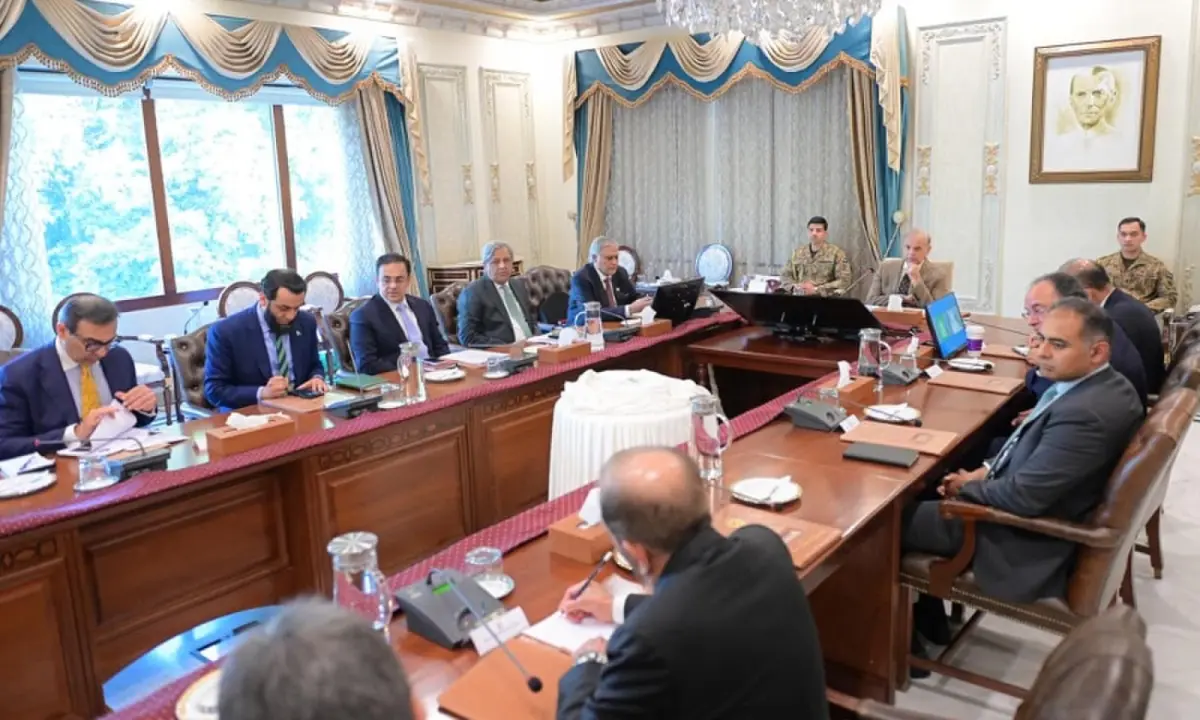
Key context: <p>ISLAMABAD: Prime Minister Shehbaz Sharif on Wednesday reiterated the government’s commitment to harnessing Pakistan’s IT export potential as a key driver of economic growth and youth employment.</p> <p>He stressed that attracting domestic and foreign investment into the IT and IT-enabled services sectors remained a priority, directing authorities to ensure technology zones function strictly as hubs for innovation and export growth.</p> <p>At a review meeting on the information technology and telecommunication sectors, the prime minister directed the formation of a committee to conduct a third-party audit of all operational IT parks under the Special Technology Zones Authority (STZA).</p> <p>The prime minister also called for a comprehensive review of STZA laws to prevent the potential misuse of corporate establishment provisions.</p> <p>During the briefing, officials informed the meeting that Alibaba was developing a comprehensive ‘Super App’ for the government of Pakistan under the Strategic Transformative Framework, which will consolidate all public-facing government services onto a single digital platform.</p> <blockquote class="blockquote-level-1"> <p>Orders third-party audit to stop misuse of tech zones; directs faster privatisation of loss-making SOEs</p> </blockquote> <p>Reviewing sector-wide performance, the ministry reported that Pakistan’s IT exports stood at $4.6 billion in FY26 ending June 30, with an additional $1.24bn recorded in the July-September quarter of FY27. Freelance exports reached $1.165bn in FY26.</p> <p>It was reported that the number of IT companies had surged, while the functioning of digital public services was also enhanced. The meeting was further informed that 32 technology zones were being developed across seven clusters nationwide, with 21 operational and 11 under construction.</p> <p>Around 300 tech firms have set up operations in these zones, bringing in Rs100bn in realised investment, while projects worth Rs105bn were in the pipeline.</p> <p><strong>Loss-making SOEs</strong></p> <p>Chairing a separate meeting to review progress on the privatisation of state-owned enterprises and assets, the prime minister directed the relevant authorities to identify additional loss-making SOEs for divestment.</p> <p>The premier said privatising non-functional SOEs and assets was vital to improving the national economy, reducing the burden on the national exchequer, and ensuring economic stability.</p> <p>He underlined that privatising loss-making SOEs would create opportunities to redirect national resources toward public welfare and development projects.</p> <p>The prime minister directed that the privatisation process for state entities be accelerated and that all projects be completed within the stipulated timelines. “Legal hurdles must not be allowed to delay the privatisation process, and effective measures should be taken to resolve them,” the prime minister said.</p> <p><em>Published in Dawn, November 26th, 2026</em></p> This development from dawn.com highlights ongoing changes in the sector.
ISLAMABAD: Prime Minister Shehbaz Sharif on Wednesday reiterated the government’s commitment to harnessing Pakistan’s IT export potential as a key driver of economic growth and youth employment. He stressed that attracting domestic and foreign investment into the IT and IT-enabled services sectors remained a priority, directing authorities to ensure technology zones function strictly as hubs for innovation and export growth. At a review meeting on the information technology and telecommunication sectors, the prime minister directed the formation of a committee to conduct a third-party audit of all operational IT parks under the Special Technology Zones Authority (STZA). The prime minister also called for a comprehensive review of STZA laws to prevent the potential misuse of corporate establishment provisions. During the briefing, officials informed the meeting that Alibaba was developing a comprehensive ‘Super App’ for the government of Pakistan under the Strategic Transformative Framework, which will consolidate all public-facing government services onto a single digital platform. Orders third-party audit to stop misuse of tech zones; directs faster privatisation of loss-making SOEs Reviewing sector-wide performance, the ministry reported that Pakistan’s IT exports stood at $4.6 billion in FY26 ending June 30, with an additional $1.24bn recorded in the July-September quarter of FY27. Freelance exports reached $1.165bn in FY26. It was reported that the number of IT companies had surged, while the functioning of digital public services was also enhanced. The meeting was further informed that 32 technology zones were being developed across seven clusters nationwide, with 21 operational and 11 under construction. Around 300 tech firms have set up operations in these zones, bringing in Rs100bn in realised investment, while projects worth Rs105bn were in the pipeline. Loss-making SOEs Chairing a separate meeting to review progress on the privatisation of state-owned enterprises and assets, the prime minister directed the relevant authorities to identify additional loss-making SOEs for divestment. The premier said privatising non-functional SOEs and assets was vital to improving the national economy, reducing the burden on the national exchequer, and ensuring economic stability. He underlined that privatising loss-making SOEs would create opportunities to redirect national resources toward public welfare and development projects. The prime minister directed that the privatisation process for state entities be accelerated and that all projects be completed within the stipulated timelines. “Legal hurdles must not be allowed to delay the privatisation process, and effective measures should be taken to resolve them,” the prime minister said. Published in Dawn, November 26th, 2026
Curation & Context
This page summarizes a public news report from dawn.com. Global News Hub provides the "Why This Matters" takeaway using editorial insights and AI curation to give readers rapid, high-value context before they click through to read the full article.