Free speech not a licence to cross four red lines: Naqvi
Why This Matters
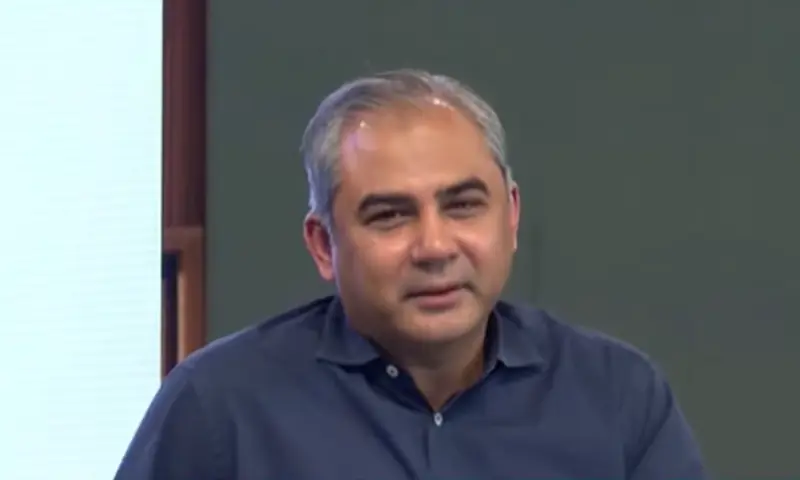
Key context: <p>• Says social media platforms acted on just 47pc of CTD complaints<br>• Urges them to act against terrorist groups operating on their networks</p> <p>ISLAMABAD: Interior Minister Mohsin Naqvi on Tuesday asserted that freedom of speech should not become a shield for those who cross “red lines”, asserting that terrorism, hate speech, incitement to violence and sexual exploitation of children were the four non-negotiable red lines for the state.</p> <p>He made these remarks while addressing a seminar, Social Media Platforms and the Post-Truth Era, organised by the Sustainable Development Policy Institute (SDPI).</p> <p>“Very often, the hate that killed them began on a mobile phone,” he said, claiming that social media platforms had acted on only 47 per cent of the complaints lodged by the Counter Terrorism Department.</p> <p>“This is not about technology; this is about people. We are not saying that free speech must be curtailed. Journalists must report, citizens must question and dissent must be heard, including criticism of the government. But freedom of speech can never become a shield for those who cross these red lines,” the interior minister said.</p> <p>He defended the establishment of the Social Media Protection and Regulatory Authority (SMPRA), while referring to inadequate capacity of the National Cyber Crime Investigation Agency (NCCIA) to deal with growing cybercrime challenges.</p> <p>Currently SMPRA and NCCIA, both established under the amended Prevention of Electronic Crimes Act, are at the centre of several constitutional petitions and judicial proceedings across Pakistan.</p> <p>The interior minister said, “Social media platforms, over-the-top (OTT) services and major content creators must register with the authority. Registration is not a licence to silence anyone; it tells us who is accountable when something goes wrong.” He said all NCCIA complaints would be moved onto the Pak ID app as citizens need a single complaint channel, while SMPRA was developing a centralised system to track complaints.</p> <p>About enforcement, he said it would be carried out step by step: engagement, followed by a notice and then penalties. “Blocking an entire platform will remain a last resort,” he added.</p> <p>“The state should not feel helpless. Yet, we see terrorist groups still recruiting, raising funds and spreading fear on these very platforms,” he said.</p> <p>He said terrorist outfits such as Baloch Liberation Army were</p> <p>still using social media despite being banned in the country, which was questionable. “Someone needs to stop them. This is our request,” he said.</p> <p>Canadian journalist Tanya Goudsouzian stressed the importance of professional journalists in filling information gaps, saying that not everyone with a camera could be considered a journalist.</p> <p>Minister for IT and Telecom Shaza Fatima Khawaja said maintaining a constitutional balance between the fundamental rights to freedom of expression and access to information, and the protection of citizens’ privacy, honour, reputation and dignity, was an imperative in the digital age.</p> <p>Referring to the Constitution, Senator Azam Nazeer Tarar noted that the European Union, the United Kingdom and countries in the region had introduced stringent regulations to protect their citizens, particularly women and children, from the onslaught of online misinformation.</p> <p>While moderating a session, senior journalist Syed Talat Hussain said content creators and media professionals feared that such stringent measures could give the government excessive powers.</p> <p>Representatives of Meta and TikTok also attended one of the sessions and said their respective community guidelines were compatible with Pakistani laws.</p> <p><em>Published in Dawn, November 25th, 2026</em></p> This development from dawn.com highlights ongoing changes in the sector.
• Says social media platforms acted on just 47pc of CTD complaints• Urges them to act against terrorist groups operating on their networks ISLAMABAD: Interior Minister Mohsin Naqvi on Tuesday asserted that freedom of speech should not become a shield for those who cross “red lines”, asserting that terrorism, hate speech, incitement to violence and sexual exploitation of children were the four non-negotiable red lines for the state. He made these remarks while addressing a seminar, Social Media Platforms and the Post-Truth Era, organised by the Sustainable Development Policy Institute (SDPI). “Very often, the hate that killed them began on a mobile phone,” he said, claiming that social media platforms had acted on only 47 per cent of the complaints lodged by the Counter Terrorism Department. “This is not about technology; this is about people. We are not saying that free speech must be curtailed. Journalists must report, citizens must question and dissent must be heard, including criticism of the government. But freedom of speech can never become a shield for those who cross these red lines,” the interior minister said. He defended the establishment of the Social Media Protection and Regulatory Authority (SMPRA), while referring to inadequate capacity of the National Cyber Crime Investigation Agency (NCCIA) to deal with growing cybercrime challenges. Currently SMPRA and NCCIA, both established under the amended Prevention of Electronic Crimes Act, are at the centre of several constitutional petitions and judicial proceedings across Pakistan. The interior minister said, “Social media platforms, over-the-top (OTT) services and major content creators must register with the authority. Registration is not a licence to silence anyone; it tells us who is accountable when something goes wrong.” He said all NCCIA complaints would be moved onto the Pak ID app as citizens need a single complaint channel, while SMPRA was developing a centralised system to track complaints. About enforcement, he said it would be carried out step by step: engagement, followed by a notice and then penalties. “Blocking an entire platform will remain a last resort,” he added. “The state should not feel helpless. Yet, we see terrorist groups still recruiting, raising funds and spreading fear on these very platforms,” he said. He said terrorist outfits such as Baloch Liberation Army were still using social media despite being banned in the country, which was questionable. “Someone needs to stop them. This is our request,” he said. Canadian journalist Tanya Goudsouzian stressed the importance of professional journalists in filling information gaps, saying that not everyone with a camera could be considered a journalist. Minister for IT and Telecom Shaza Fatima Khawaja said maintaining a constitutional balance between the fundamental rights to freedom of expression and access to information, and the protection of citizens’ privacy, honour, reputation and dignity, was an imperative in the digital age. Referring to the Constitution, Senator Azam Nazeer Tarar noted that the European Union, the United Kingdom and countries in the region had introduced stringent regulations to protect their citizens, particularly women and children, from the onslaught of online misinformation. While moderating a session, senior journalist Syed Talat Hussain said content creators and media professionals feared that such stringent measures could give the government excessive powers. Representatives of Meta and TikTok also attended one of the sessions and said their respective community guidelines were compatible with Pakistani laws. Published in Dawn, November 25th, 2026
Curation & Context
This page summarizes a public news report from dawn.com. Global News Hub provides the "Why This Matters" takeaway using editorial insights and AI curation to give readers rapid, high-value context before they click through to read the full article.