Sales tax zones being established in Karachi, Lahore, Islamabad and Multan, PM told
Why This Matters
Key context: <p>Prime Minister Shehbaz Sharif was informed on Tuesday that separate sales tax zones were being established in the country’s four major taxpayer units — Karachi, Lahore, Islamabad and Multan — to improve collection.</p> <p>According to a statement from the Prime Minister’s Office (PMO), the development was shared during a weekly review meeting concerning the Federal Board of Revenue (FBR) in Islamabad.</p> <p>The move comes as the government has<a href="https://www.dawn.com/news/2044613"> decided</a> to reverse the functional integration of sales tax and income tax collection after 17 years, acknowledging that the sales tax revenue gap has widened to Rs3.4 trillion amid weak enforcement and poor revenue collection.</p> <p>The statement released on Tuesday said that the meeting was also informed that work was underway to establish a modern cargo tracking system to address the sales tax gap and curb smuggling.</p> <p>The system would digitally track the movement of goods from loading to delivery and comprise an electronic consignment note, a risk management system, field enforcement and an analytics dashboard, the statement said.</p> <p>A steering committee with provincial representation was also being formed to oversee the system’s implementation, the PMO said.</p> <figure class='media w-full w-full media-- media--embed media--uneven media--tweet' data-original-src='https://x.com/PakPMO/status/2125166432367657089'> <div class='media__item media__item--twitter '><span> <blockquote class="twitter-tweet" lang="en"> <a href="https://twitter.com/PakPMO/status/2125166432367657089"></a> </blockquote> </span></div> </figure> <p>The meeting was further informed that the FBR was establishing an office at Karachi’s Korangi Industrial Estate to provide services to local industrialists at their doorstep.</p> <p>According to the PMO, PM Shehbaz directed authorities to expedite customs clearance, immigration and other operations at the country’s airports and make smart scanning systems operational at all international airports.</p> <p>The meeting was informed that smart scanning systems were being installed at major international airports with the support of relevant agencies. The systems would automatically direct passengers’ baggage to the green or red channels.</p> <p>The prime minister expressed the hope that the FBR chairman’s recent visits to Karachi and Lahore and meetings with local traders and industrialists would yield positive results for trade, exports and investment.</p> <p>The meeting was informed that an audit of oil marketing companies’ bonded warehouses, conducted on the prime minister’s directives, had uncovered irregularities amounting to Rs24.4 billion. Recoveries were being made through legal procedures, the statement said.</p> <p>It added that PM Shehbaz directed authorities to take action and make recoveries without discrimination.</p> <p>The meeting was further informed that the Indus Collectorate had begun operations at bridges over the Indus River across the country. The enforcement collectorate, which had 856 staff members, had seized illegal goods worth Rs1.849bn in 302 operations so far, the statement said.</p> <p>Regarding Pakistan Revenue Automation Limited (PRAL), the meeting was informed that additional security features had been incorporated into several software systems to ensure data integrity. Departmental action was also being taken against FBR officers who had previously issued unauthorised consumption certificates under the FATA/PATA tax exemption, the statement said.</p> <p>In 2009, the government transferred the administration of sales tax and federal excise duty from Customs to the Inland Revenue Service (IRS) as part of a World Bank-backed reform aimed at integrating tax administration.</p> <p>However, after 17 years of integration, the sales tax revenue gap has widened to an estimated Rs3.4tr, compared with Rs2tr for income tax, raising questions about the effectiveness of the arrangement.</p> <p>Under the new arrangement, specialised officers will handle sales tax and income tax separately, while both will continue to be administered within the IRS rather than through separate services.</p> This development from dawn.com highlights ongoing changes in the sector.
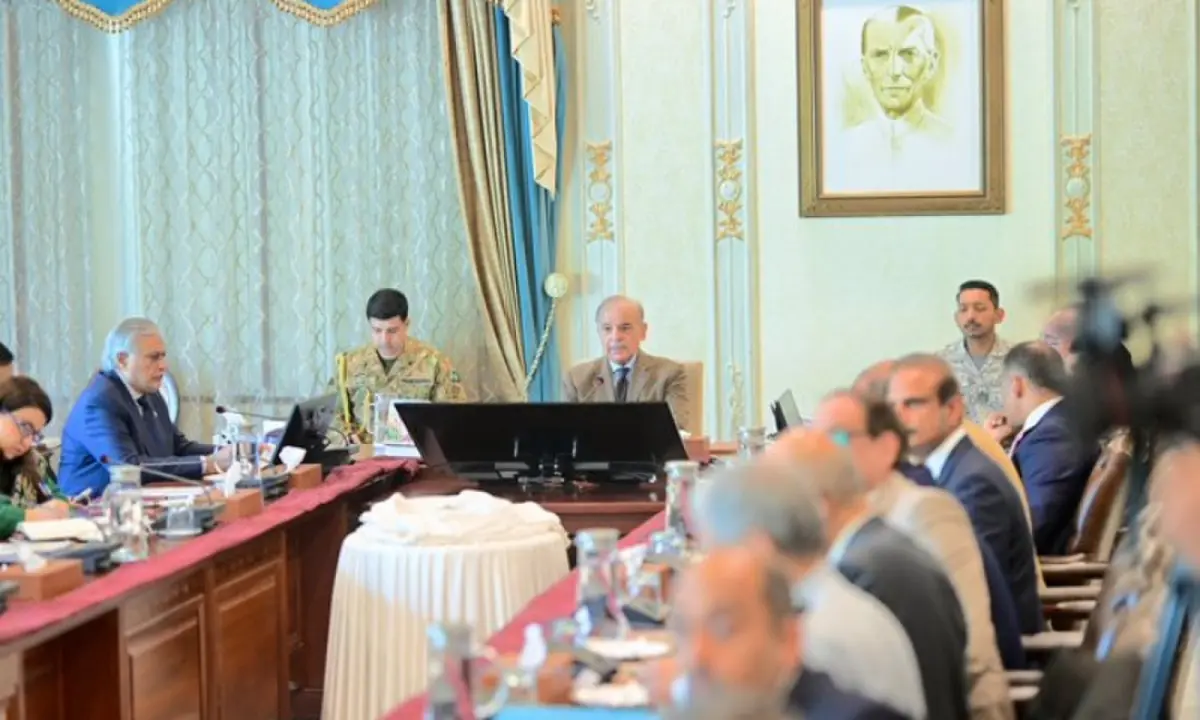
Prime Minister Shehbaz Sharif was informed on Tuesday that separate sales tax zones were being established in the country’s four major taxpayer units — Karachi, Lahore, Islamabad and Multan — to improve collection. According to a statement from the Prime Minister’s Office (PMO), the development was shared during a weekly review meeting concerning the Federal Board of Revenue (FBR) in Islamabad. The move comes as the government has decided to reverse the functional integration of sales tax and income tax collection after 17 years, acknowledging that the sales tax revenue gap has widened to Rs3.4 trillion amid weak enforcement and poor revenue collection. The statement released on Tuesday said that the meeting was also informed that work was underway to establish a modern cargo tracking system to address the sales tax gap and curb smuggling. The system would digitally track the movement of goods from loading to delivery and comprise an electronic consignment note, a risk management system, field enforcement and an analytics dashboard, the statement said. A steering committee with provincial representation was also being formed to oversee the system’s implementation, the PMO said. The meeting was further informed that the FBR was establishing an office at Karachi’s Korangi Industrial Estate to provide services to local industrialists at their doorstep. According to the PMO, PM Shehbaz directed authorities to expedite customs clearance, immigration and other operations at the country’s airports and make smart scanning systems operational at all international airports. The meeting was informed that smart scanning systems were being installed at major international airports with the support of relevant agencies. The systems would automatically direct passengers’ baggage to the green or red channels. The prime minister expressed the hope that the FBR chairman’s recent visits to Karachi and Lahore and meetings with local traders and industrialists would yield positive results for trade, exports and investment. The meeting was informed that an audit of oil marketing companies’ bonded warehouses, conducted on the prime minister’s directives, had uncovered irregularities amounting to Rs24.4 billion. Recoveries were being made through legal procedures, the statement said. It added that PM Shehbaz directed authorities to take action and make recoveries without discrimination. The meeting was further informed that the Indus Collectorate had begun operations at bridges over the Indus River across the country. The enforcement collectorate, which had 856 staff members, had seized illegal goods worth Rs1.849bn in 302 operations so far, the statement said. Regarding Pakistan Revenue Automation Limited (PRAL), the meeting was informed that additional security features had been incorporated into several software systems to ensure data integrity. Departmental action was also being taken against FBR officers who had previously issued unauthorised consumption certificates under the FATA/PATA tax exemption, the statement said. In 2009, the government transferred the administration of sales tax and federal excise duty from Customs to the Inland Revenue Service (IRS) as part of a World Bank-backed reform aimed at integrating tax administration. However, after 17 years of integration, the sales tax revenue gap has widened to an estimated Rs3.4tr, compared with Rs2tr for income tax, raising questions about the effectiveness of the arrangement. Under the new arrangement, specialised officers will handle sales tax and income tax separately, while both will continue to be administered within the IRS rather than through separate services.
Curation & Context
This page summarizes a public news report from dawn.com. Global News Hub provides the "Why This Matters" takeaway using editorial insights and AI curation to give readers rapid, high-value context before they click through to read the full article.