Florida scientists turn 39 surviving clams into 65 million
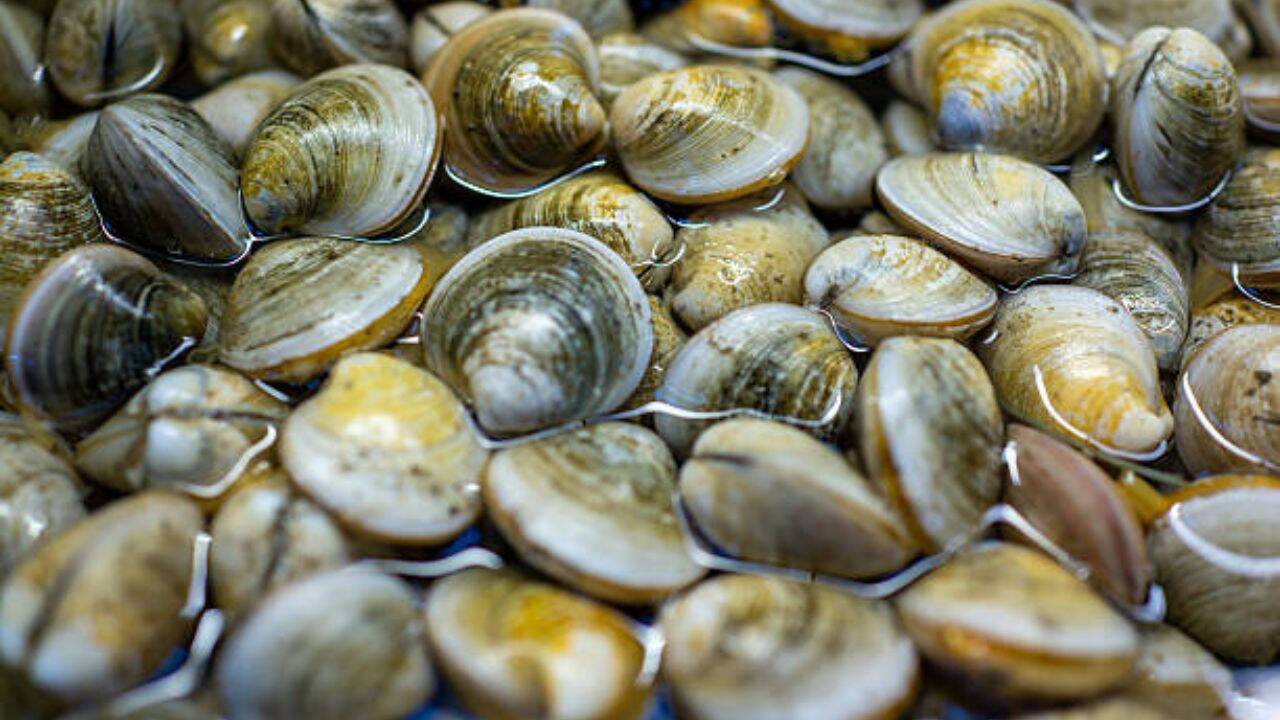
Why This Matters
Key context: Florida's Indian River Lagoon shows signs of recovery after decades of environmental decline. Scientists are restoring critical habitats like reefs, shellfish beds, seagrass, and wetlands. Efforts focus on reintroducing clams, which were nearly extinct due to overharvesting and algal blooms. Millions of juvenile and adult "super clams" have been released into the lagoon. Local governments are addressing runoff issues to support the lagoon's ongoing restoration. This development from timesofindia.indiatimes.com highlights ongoing changes in the sector.
Florida's Indian River Lagoon shows signs of recovery after decades of environmental decline. Scientists are restoring critical habitats like reefs, shellfish beds, seagrass, and wetlands. Efforts focus on reintroducing clams, which were nearly extinct due to overharvesting and algal blooms. Millions of juvenile and adult "super clams" have been released into the lagoon. Local governments are addressing runoff issues to support the lagoon's ongoing restoration.
Curation & Context
This page summarizes a public news report from timesofindia.indiatimes.com. Global News Hub provides the "Why This Matters" takeaway using editorial insights and AI curation to give readers rapid, high-value context before they click through to read the full article.