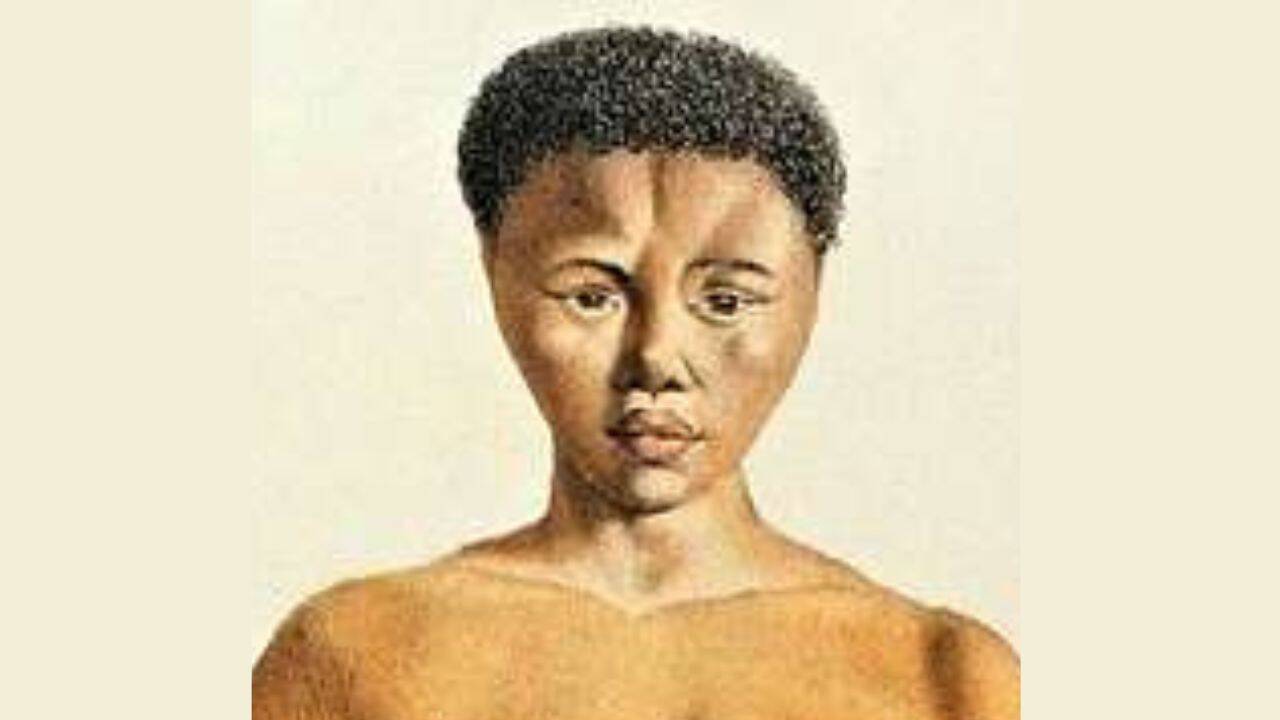
Sarah Baartman, 'Hottentot Venus', finally came home 192 years later
Why This Matters
Key context: Sarah Baartman's life was marked by colonial violence and exploitation in South Africa. She was exhibited in Europe as the "Hottentot Venus" for voyeuristic curiosity. French scientists studied her body after her death, which fueled racial science narratives. Her remains were eventually repatriated to South Africa after nearly two centuries. Her story remains a powerful emblem of remembrance and justice. This development from timesofindia.indiatimes.com highlights ongoing changes in the sector.
Sarah Baartman's life was marked by colonial violence and exploitation in South Africa. She was exhibited in Europe as the "Hottentot Venus" for voyeuristic curiosity. French scientists studied her body after her death, which fueled racial science narratives. Her remains were eventually repatriated to South Africa after nearly two centuries. Her story remains a powerful emblem of remembrance and justice.
Curation & Context
This page summarizes a public news report from timesofindia.indiatimes.com. Global News Hub provides the "Why This Matters" takeaway using editorial insights and AI curation to give readers rapid, high-value context before they click through to read the full article.